

The process of How to Treat Schizophrenia without Medication is not a simple and formal task. It is not opposing to professional help or even medication but rather exploring how to supplement or use some modifications to the care when medication use is not as desired or available. I will discuss how one and their support system may go about this in 2025 what can be done, what the evidence will tell us, what we need to be aware of, and why most people point out that medication will continue to be central.
Knowing the baseline: what is schizophrenia and why is medication a standard.
Schizophrenia is a severe mental illness that includes hallucinations, delusions, lack of organization in thoughts or speech, and in most cases, a substantial disability in the social functioning, working and day-to-day activities. National Institute of Mental Health+1.
Due to the disruptive nature of symptoms, the use of antipsychotic drugs is the key to the treatment in the general practice- it is necessary to decrease or minimize the episodes of psychotic manifestation and facilitate relapse prevention. National Institute of Mental Health+1
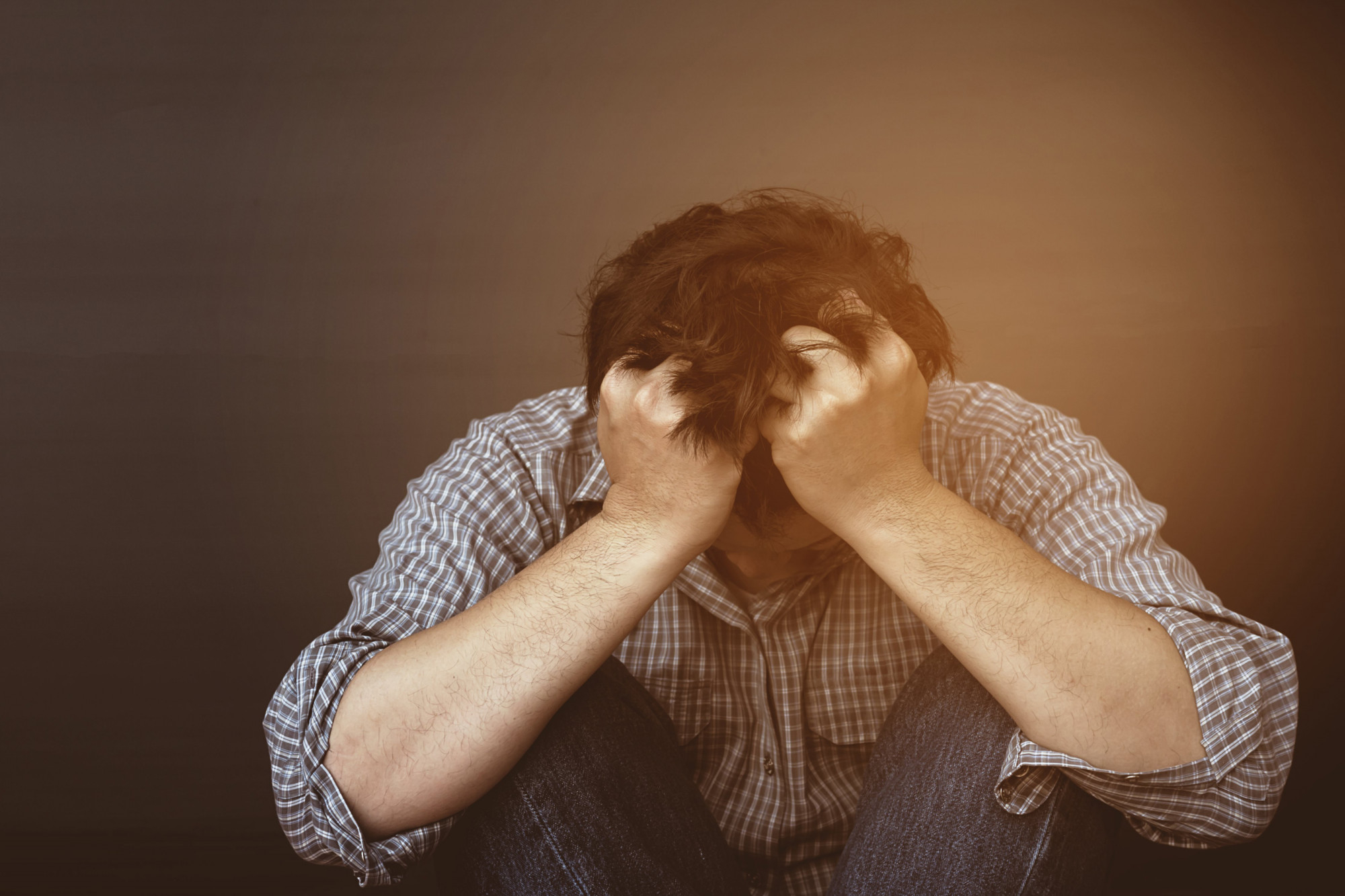
However, drugs do not fix all things. Several individuals experience side-effects, others respond half-heartedly, and others do not want to take drugs. The existence of these realities makes it possible to take the possibility of non-medication treatments more seriously.
The non-medication treatments evidence: what we know so far.
The recent years have seen an increase in research of psychosocial and lifestyle interventions- particularly when medications are not used or cannot be used. Here are key findings:
In a systematic review (of interventions (psychosocial interventions) involving persons with schizophrenia or psychosis taking minimal or no antipsychotics), the outcomes of psychosocial interventions were generally equivalent or (in some instances) slightly better than control groups. PubMed
A Cochrane review of standalone cognitive behavioural therapy (CBT) in individuals not taking antipsychotics found evidence to have limited and low or very low certainty. Cochrane+1
It is also noted in the reviews that the non-medication approach remains insufficient to be available and effective in most settings due to the lack of resources/training. PubMed
So: yes, there are non-medication approaches that have certain positive indications–but these are not much more thoroughly tested than the usual pharmacotherapy. This implies: be careful, expect little, and professional supervision.
Some of the main non-medication strategies that you could have.
In case a person decides to follow a non-medication route (or a route in which the use of medications is reduced to the minimum), these are the primary elements to consider. These need to be put in place with close supervision and in collaboration with the mental-health professionals.
- b) Psychotherapy & psychosocial interventions.
Cognitive behavioural therapy (CBT): May be useful in thinking patterns, coping strategies, insight into the symptoms. Even though there is a lack of standalone evidence, it is one of the more established non-medication tools. PMC
Family therapy and psychoeducation: The family/support system can be used to help the family understand, decrease conflict/stress, and improve communications. hhills.com
The milieu-therapeutic models: The Soteria model (which offers a home-like and supportive community with not much use of medication) demonstrates conceptual potential. Wikipedia
Social skills training, supported employment, structured rehabilitation: Aiding people in establishing daily schedule, social networks, work-related activity, all of which are therapeutic to recovery.
- b) Health and lifestyle behaviors.
Diet and nutrition: There is limited evidence to show that the intake of B-vitamins, omega-3 fatty acids and antioxidants positively affect the health of people with schizophrenia. Cleveland Clinic+1
Physical exercise: Exercise helps mood, thinking, overall health–in the case of schizophrenia this is important since individuals tend to have comorbid physical-health issues.
Sleep hygiene and stress-management: Stabilisation can be achieved by minimising sleep disturbance, stress, and substance use.
Mindfulness, meditation, and self-care practices: These are not treatments, but they aid in schooling and lessen the distress.
Substance use avoidance or reduction: Psychosis can be made worse by alcohol and cannabis (high-THC), and other psychoactive substances.
- c) Clinical observation, early intervention and relapse prevention.
Close observation should be of particular importance when one is in the process of selecting a less-medication pathway: symptom change, functioning, sleep, cognition, reality testing, suicidality.
Relapse plan: You should call, use crisis assistance, restart medication or increase support.
Early-intervention services: When the episode of psychosis is first or at the beginning of the disease, the time frame of the recovery is the largest-hence early and intensive non-drug assistance can provide greater potential.

The way to create a customized course of action in 2025.
The following is an approximate roadmap that you may take (along with a clinician) to transition to non-medication or minimum-medication control over schizophrenia.
Step 1: Overall evaluation.
Symptom severity (positive symptoms such as hallucinations/delusions, negative symptoms such as apathy and other cognitive impairments)
Medical history, response and side-effects of medication use.
Physical health, substances, sleep, food, social support.
Functioning: work/education, relationships, day to day activities.
Step 2: Clarify goals & risks
What is the meaning of without medication? Full avoidance? Minimal doses? Temporary pause?
What risks (relapse, hospitalization, self/other harm) can happen?
What supports are in place? Does the individual support system, secure environment, have ready access to care when necessary?
Which signs of relapse will be observed at early stages?
Step 3: Start aggressive psychosocial and lifestyle interventions.
Organized psychotherapy (CBT, family therapy) with the theme of coping with voices/thoughts, reality-testing, stress management.
Undergo organized rehabilitation: social, occupational, meaningful routines.
Invest in lifestyle interventions: nutrition, exercise, sleep, mindfulness. An example of this would be the establishment of daily routine, moderate levels of activity, lessening sugar/refined foods, etc.
Strengthen supports: community resources, family education, peer-support groups.
Step 4: Careful monitoring and adjustment.
Weekly/biweekly check-ins initially: What is the progress of symptoms? New voices, more isolation, sleep breakages?
Establish functional indicators: functioning, relationships, self-care.
Be prepared to change: In case the symptoms become either worse or the risk is high, medication should be reintroduced or introduced. Non-medication strategies are not a one-time and off-the-shelf solution, as they usually demand some degree of flexibilities.
Step 5: Maintenance and long-term adaptation.
When stability is attained the individual can reduce the frequency of check-ins, although he or she should still undergo therapy, social and lifestyle support.
Understand that negative symptoms (motivation, social withdrawal, cognitive slowing) can be long lasting compared to positive symptoms; these can also be very slow to respond and may need long-term support.
Continue growth and purpose: work/education, meaning in life, relationships are important to long time recovery.

What to watch out for / caveats
Relapse risk is real. Most clinicians warn that, although there can be non-medication routes, chances of symptom flare-up are bigger particularly when custodial aids are frail or early warning signals are disregarded.
Evidence is limited. Medications are still used in the strongest studies; non-medication studies are less in number, smaller and of questionable quality. e.g. the fewness of studies and the low to very-low confidence of the evidence preclude any firm conclusions in one review of CBT without antipsychotics. Cochrane+1
Personal discrepancy is massive. The paths of two individuals with a similar diagnosis can be quite different. Something might be effective with one but not with another.
At one time, medication may still be required. Non-medication is not the choice that obligates an individual not to use medicines at all, it can be a gradual, controlled approach.
Safety comes first. Medication can be the less perilous response in case of danger to self or other people, or severe decline in functions.
Holistic care implies integration – not therapy only, no medicine and no monitoring. The non medication therapies require the same professional care, structure, supervision, and adaptation as the medication based care.
You can learn more about schizophrenia by Clicking Here
What makes others pursue alternative avenues.
Antipsychotics have side-effects (weight gain, metabolic, sedation, emotional blunting) that may be serious and lower the quality of life.
There are individuals who may be in a mild symptoms (more so negative symptoms) phase who would want to limit their exposure to medication.
Personal or cultural choice: There are those who would choose non-medication or minimal-medication intervention in case they feel poor on medications or wish to have more autonomy.
New studies and models (such as Soteria-type settings) indicate that there are possibly more choices than one used to believe.
Concluding remarks: is it realistic to have no medication?
In brief: in certain situations, with certain individuals, no, non-medication or low-medication treatment can be done. It is not the rule, and has its reservations.
One user posted on a forum:
No I will not say there is such a thing as recovery, without medication… but in your particular case, there may be an opportunity to lead a bearable life. Reddit
Such a subtlety is precisely appropriate. The term itself recovery may have so many meanings such as full symptom remission, functional stability, minimum medication, meaningful life. Medication is still part of recovery to many. In others, where support is high and early intervention as well as the number of severe positive symptoms is less, non-medication courses can be more viable.
The most intelligent strategy in 2025 would be that of shared decision making: the schizophrenic individual and their family/ support system along with their mental-health professionals would work in collaboration, openly balance benefits, risks, preferences and monitor carefully. In case the individual wishes to reduce or escape medication, it can be done, although with full knowledge, contingencies, and encouragement.
Study more about other Latest Health Updates by Clicking Here
Some Interesting FAQ’s
- Is it even possible “how to treat Schizophrenia without medication in 2025”?
Yes, 2025 has been able to present some non-pharmaceutical methods of dealing with schizophrenia. As therapies of brain stimulation, digital cognitive training, and individualized lifestyle programs evolve, a number of people are discovering a means to alleviate the symptoms without the need to employ any form of medication.
- What Are the latest natural remedies of Schizophrenia in 2025?
The non-medication therapies in the year 2025 are neurofeedback therapy, mindfulness-based cognitive training, transcranial magnetic stimulation (TMS), and AI-assisted psychotherapy sessions. These alternatives are aimed at harmonising brain functions and emotional control with no pharmaceutical drugs.
- What Can Be Effectively Done in the 2025 Treatment of Schizophrenia without Medication?
Although medication plays a vital role in cases of a severe nature, recent studies in 2025 indicate that a number of individuals report notable betterment in the context of structured therapy, nutrition-based treatment, and regular social and lifestyle assistance. The success of it is based on the state of the person and the professional instructions.
- What are the Lifestyle Changes that are helpful in treating Schizophrenia in the next 25 years in a natural manner?
The 2025 lifestyle-based therapies aim at sleep optimization and gastrointestinal nutrition, mindfulness-based relaxation of stress, exercise routines, and development of healthy social interactions. Combined, these practices can alleviate hallucinations, mood swings and symptoms of anxiety in most instances.
- Future of Digital Therapies to Treat Schizophrenia: Are There No Digital Therapies to Schizophrenia Without Medication in 2025?
Absolutely! In 2025, AI-based mental health applications, virtual reality exposure therapy, and online cognitive behavioral therapy (CBT) platforms are commonplace, and they make schizophrenia patients aware and capable of controlling the symptoms without medication.
- Can It Be Reasonable to Quit Take Schizophrenics Medication and attempt Natural Approaches in 2025?
Not unattended by medical personnel. Although there are numerous drug-free therapies available in 2025, the sudden withdrawal of the medication is risky. Never attempt a sudden withdrawal without consulting a psychiatrist or licensed therapist to come up with a gradual and safe way to transition.
- What Will Diet Do in the Treatment of Schizophrenia without Medication in 2025?
Recent research in 2025 reveals that the diet rich in anti-inflammatory and omega-3 promotes the health of the brain and emotional levels. Fatty fish, leafy greens, and probiotics are foods that are capable of improving mental performance and alleviating the symptoms.
- Will Therapy Be Sufficient to Manage Schizophrenia in 2025 without Drugs?
In the year 2025, therapy is more powerful than ever. Integration of high-level CBT, trauma-informed therapy, and social skills training will be effective in enhancing the lifestyles of people who have to cope with schizophrenia without pharmaceutical support.