

Why does my head hurt when I cough or abdomen hurts when cough is not just a topic it’s an issue people facing now a days more then usual because bacteria evolves.
It is not subtle at all – you sneeze and bang: your head bursts in pain. It is even frightening, as any headaches suddenly emerging are felt serious. The good news is: it is not an unexplainable thing in many. The bad news is that occasionally it will indicate a more significant causative issue that should be checked. I will take you through the probable causes, the medical explanation of the pain, when to be concerned and the commonly used cough treatments and cough medicine, all based on current medical sources and clinical advice.
What doctors refer to it (in the short form)
In cases where coughing, sneezing, straining or other Valsalva-like actions are known to cause a headache, the name is cough headache. It comes in two flavors:
- Primary cough headache The chest CT does not show any structural issue of the brain; the coughing itself causes temporary pain.
- Secondary (symptomatic) cough headache an underlying abnormality (such as Chiari malformation/mass lesion/elevated intracranial pressure) is diagnosed and is the actual cause.
Standard references and specialty reviews contain these clinical definitions and the manner in which physicians make their diagnoses. Mayo Clinic

Why does coughing cause you to have a sore head? (the physics and biology)
Coughing is more than a reflex in your throat, it is the sudden increase of the pressure within your chest and abdomen, which then is passed on through your blood vessels and your cerebrospinal fluid. The effect of a strong cough (Valsalva maneuver) is that the intrathoracic pressure peaks, the venous drainage of the brain is altered temporarily and the intracranial pressure may briefly increase. Such sudden shift in pressure may also irritate pain-sensitive features in the head (dura, blood vessels, and nerves) and cause a sharp and temporary but usually severe headache. Recent imaging and fluid-dynamics studies claim this mechanism as one of the primary causes of headaches caused by cough.
How do you know when it is just a headache of primary cough and when it is dangerous?
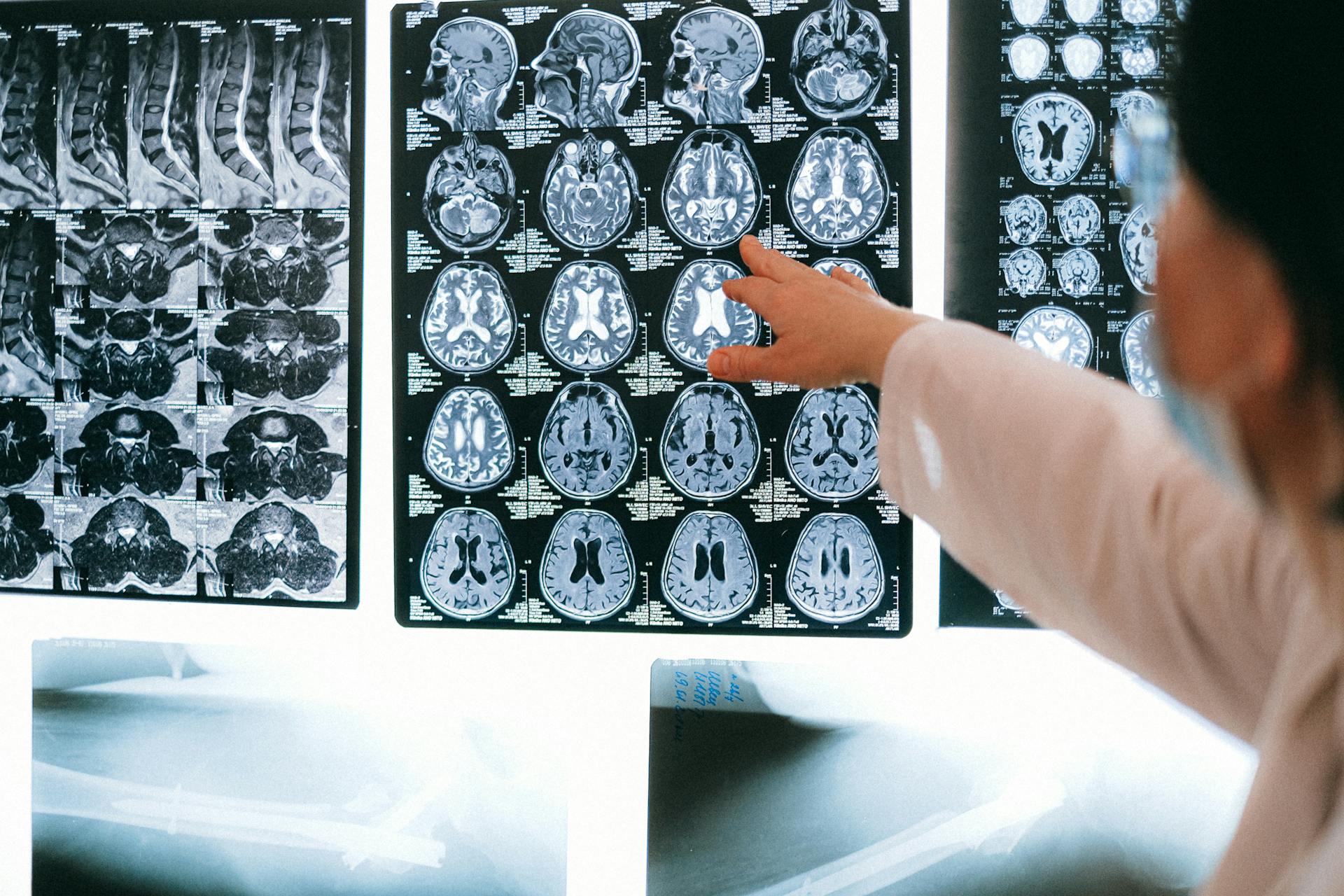
Primary cough headache is found in most people who have short, reproducible headaches with coughing, although it is benign in the sense that the brain scans are normal. However, since structural issues (such as Chiari I malformation, tumor, or spontaneous intracranial hypotension/ hypertension) cause only a small percentage of cases of cough headaches, physicians normally prescribe neuroimaging (MRI) in new, acute, or unusual cough headaches.

Red flags which indicate that you should visit urgent care or neurology:
- Thunderclap headache (best headache of life).
- Neurological symptoms consisting of the headache (weakness, visual change, fainting, confusion).
- Progressive increasing or daily headache.
- Cough headache which started after head injury or with fever and neck stiffness.
These differences and relationship between Chiari and cough headaches are well explained in neurology literature. PMC+1
What are the effective cough treatments induced headache?
Cough Treatment depends on cause.
In case imaging is normal (primary cough headache)
• Indomethacin – this nonsteroidal anti-inflammatory medication has the best evidence in the treatment of primary cough headache in numerous case series and expert reviews. In some patients, indomethacin is used medically and it works miraculously. Easily, indomethacin is prescribed and monitored by a neurologist since it has side effects (stomach, kidney, cardiovascular). PubMed
• Temporary analgesics- simple analgesics (acetaminophen or a nonsteroidal such as ibuprofen) can dull the pain of some individuals, but they do not address the root cause of cough-triggering.
• Behavioral changes: in case it is possible, the occurrence of the headache is lower in the case that the coughing is treated or minimized (see below).
In the case of imaging that reveals a background issue (secondary/symptomatic)
• Address the underlying condition. In the case of Chiari I malformation, e.g., neurosurgical decompression will eliminate cough headaches in most patients. There is need to manage tumors, bleeds or hydrocephalus. This is the reason why it is important to imagine and classify correctly.
General commentaries on medical treatments.
Other drugs (a few case reports have used COX-2 inhibitors or others) have also been used when indomethacin is inappropriate, although there is less evidence-base and the outcomes are less predictable. Always consult with a neurologist.
How about the cough? (medicines and safety)
In case the trigger was coughing, it is often possible to reduce the headaches by cutting the coughing. The choice of the medicine depends on the nature of the cough; whether it is dry (nonproductive) or wet (productive):
• Dry, irritating coughs: cough suppressants like dextromethorphan are able to decrease the cough reflex and provide relief of symptoms. These are medicines that alleviate the symptom without treating the infection or cause. NCBI
• In productive coughs with thick sputum: the expectorants such as guaifenesin may thin the sputum and aid clearing; in some cases, a combination (dextromethorphan + guaifenesin) is employed. NCBI
• Only in the presence of a clear indication, antibiotics can be used to treat bacterial infections; they do not treat the common cold and should not be used on a regular basis.
• Some strong opioid-containing cough medicines (codeine, hydrocodone) should not be used in a variety of groups (priority in particular children) due to their safety and regulatory considerations – adhere to local and national prescribing/dosing recommendations and always consult a clinician. (The prescribing doctor needs to balance the risks versus benefits.)
Non-drug interventions: Steam, humidifiers, honey in adults and older children, saline nasal sprays, throat lozenges and avoiding irritants (smoke) can all decrease the rate of cough.
Read labels, observe age limits, and make sure to check drug interactions with other drugs you are taking.
Abdomen hurts when cough
Your abdomen aches or abdomen hurts when cough is a common occurrence and it happens due to strains on the muscles of the abdomen due to frequent coughing or other exertions. The pain, however, may at times indicate a more serious problem such as a hernia, abdominal infection, or inflammation. In case of mild muscle strain rest, light stretching, and warm compress may be used to sooth the pain. Soreness and swelling may also be decreased with over-the-counter pain relievers such as ibuprofen. When the pain persists, or becomes worse or is coupled with such symptoms as a bulge, fever, or nausea, it is necessary to visit the doctor to exclude more serious causes and receive appropriate cough treatment.
You can also learn more about abdomen hurts when cough study and its treatments by just Clicking here.
Practicable course: what to do the next time your head aches when coughing.
1. When it is a first time, intense, acute or the worst ever headache- seek immediate medical care. Headaches which are thunderclap may indicate bleeding or other emergencies.
2. In case the headache is replicable but short-lived and does not have any red flags, make an appointment with your GP or a neurologist. They can ensure they take an MRI to exclude structural causes. Mayo Clinic
3. Manage the cough and keep researching as you treat, hydrate, take suitable OTCs based on the type of cough, rest, and eliminate triggers. Safe OTC (dextromethorphan/guaifenesin) needs to be discussed with your pharmacist or doctor, particularly when you have other health conditions and have other medications. NCBI
4. When imaging reveals a structural issue, pursue the course of treatment prescribed by the specialist (and which may involve surgery). PMC

Quick safety checklist
• Emergency medical attention needed in the case of thunderclap headache, fainting, weakness, or seizures.
• Do not use strong opioids by self-medicating or a variety of different cough medications together without further research, some combination may be life-threatening.
No, cough medicines or indomethacin should be taken unless advisable in the case of pregnant adults, breastfeeding, elderhood, or heart / liver / kidney disease.
Bottom line
It is a known clinical phenomenon when a headache appears when coughing. It is an innocent and irritating primary cough headache in a lot of people that are treated by cutting down cough and in specialists care, drugs such as indomethacin. However, due to the fact that the same symptom can sometimes indicate the presence of something in the brain or spine, physicians tend to order an MRI to confirm the presence of the headaches in case they are new, acute, or accompanied by other neurological manifestations. A sensible behavior with the cough, not using dangerously addictive drugs, and it should be taken to check in case the pain is too terrifying or unlike anything that has ever happened to you.
If you want to study more about latest research on other virus which are nearby you and how to prevent them Click Here.
FAQ’s
- What is wrong with my head? Why does my head hurt when I cough?
Coughing also causes head pains, this is attributed to the fact that suddenly the pressure in your head escalates. This may impose pressure on blood vessels and muscles. In case it is painful and regular, it may be associated with the problems of sinus or some other diseases and you need to see a doctor. - Why is it that my abdomen hurts when cough?
When coughing, your abdomen might hurt as a result of muscle strain or tension that occurs as a result of repetitiveness. In some cases it may be a sign of hernia or abdominal inflammation. A healthcare provider should consider persistent or sharp pain. - What are some good cough treatment remedies?
Cough Treatment is dependent on its cause. Keep yourself hydrated, apply honey or warm fluids into the throat, and use cough drops to relieve yourself. A persistent or severe cough that persists longer than a couple of weeks and is accompanied by pain, fever or shortness of breath should be addressed by a doctor. - Is head pain coupled with abdominal pain a possible cause of coughing?
Yes. Powerful or a lot of coughing may cause temporary pain by straining your muscles in your head and your stomach. Nonetheless, in case the pain is sharp or persistent it might be an indicator of a complication such as hernia or sinus problem. - Should I fear when my head is sore when I cough?
When you have a headache that only occurs occasionally, then it is probably harmless. However, when it is acute, acute, or accompanied by dizziness, vision changes, nausea, etc. it is worth visiting a doctor to exclude more serious causes. - What can I do to avoid “abdomen hurts when cough” pain?
When coughing, place your hand or pillow on the belly to relieve stress in the belly. Muscle strain can also be prevented by staying hydrated, controlling early chronic coughs, and heavy lifting. - What are some home remedies in the cough treatment?
Warm fluids, such as tea and honey, Steam inhaling, and rest of voice. Cough syrups or lozenges that are sold over-the-counter may help as well. When you have a cough that persists over three weeks, then it is time to visit a medical facility. - Does a persistent cough bring about muscle pains?
Yes. Coughing continuously may strain your chest and abdominal muscles causing pain or soreness at the time of movement or coughing once more. The discomfort can be reduced with the help of rest, light stretching, and warm compresses.