
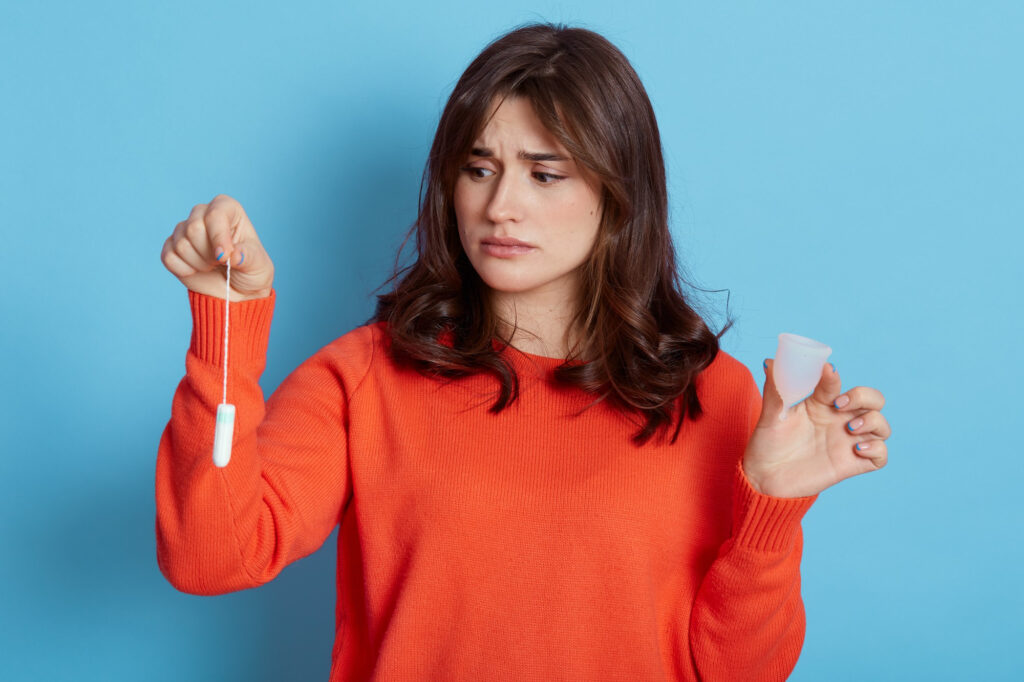
Being frank, when something is wrong with your body, you tend to feel it and then comprehend it. You may get more exhausted, you may gain some weight without even knowing why, or you may feel like being in a mood unexpectedly. When that does happen to sound familiar, perhaps it is your hormones attempting to call your attention.
Hormones do not have to do with periods and pregnancy. They influence your sleep, energy, mood, skin, metabolism, in other words, your whole life. Even when there is nothing much out of balance, you will likely notice when they are out of balance. The tricky part? The symptoms may be arbitrary or likely to be attributed to stress or aging.
You can walk to the 5 key early symptoms of your hormones being out of control perhaps you can do something about it.
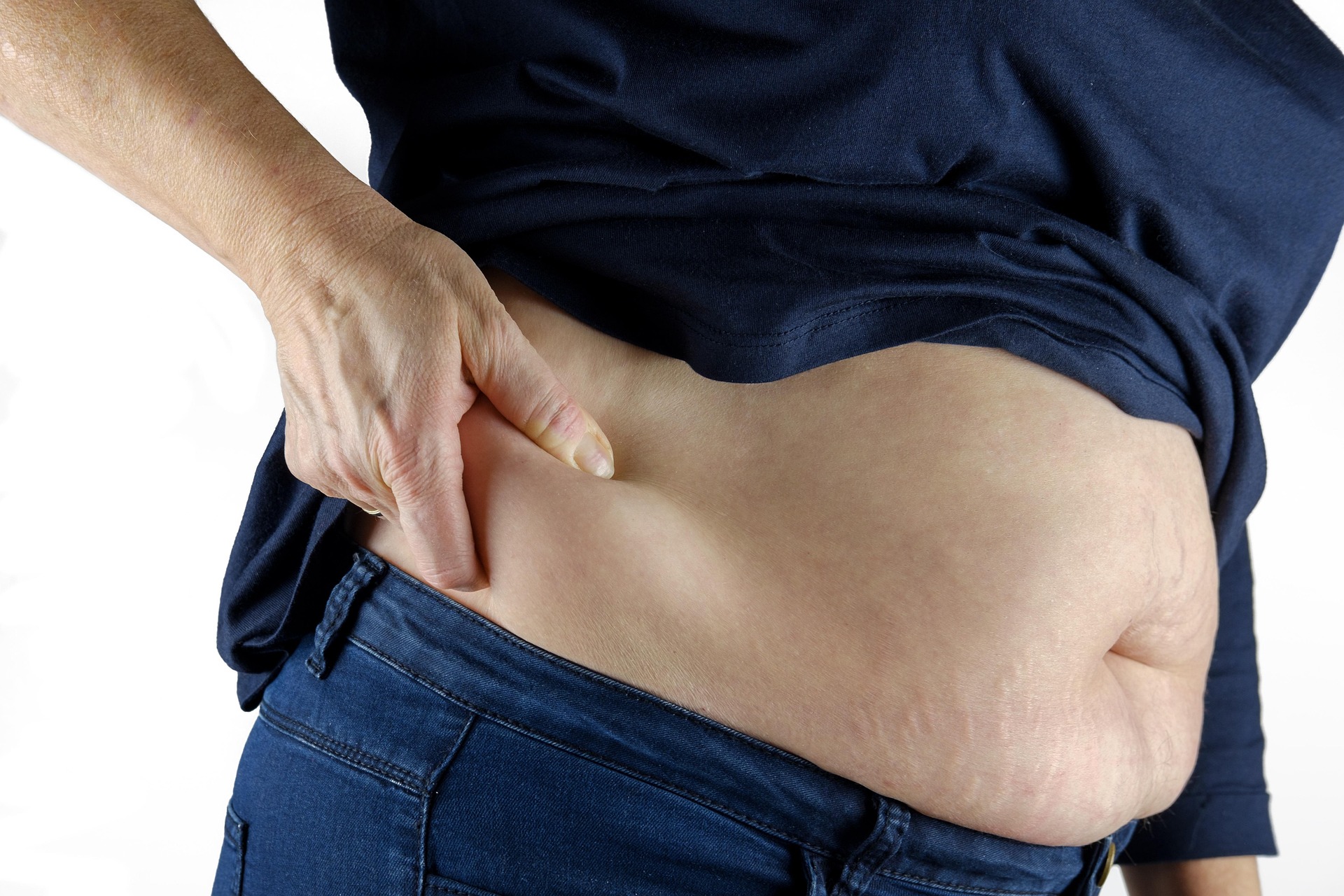
You Are Gaining Weight And You Are Not Changing anything.
You are doing the same maybe even exercising more, yet the scale is increasing- or the jeans are tightening around you. Sound familiar?
Such weight gain (particularly around the belly or hips) may be the response of your body to changes in hormones. It could be a sluggish thyroid, increasing estrogens or insulin resistance or even cortisol at work due to stress.
What might help:
- Have a test (eat to maintain your blood sugar level) (eat less sugar, more fiber and protein).
- Sleep more. Seriously. Less sleep = increased amounts of cortisol = increased fat storing.
- Have thyroid test done because you always feel tired.
- You can also get your metabolism going by walking, lifting light weights or even dancing.
Your Mood Swings Are Eating up the Road.
The next minute you were perfectly okay, the next minute you are screaming at your partner because he or she is chewing too loudly. You are feeling overwhelmed, anxious or depressed–because of no important reason.
Hormone changes can be associated with mood swings, anxiety, and even depression. This is particularly during your time, after pregnancy or perimenopause (that can begin at 30s).
What might help:
- Notice when your mood changes – it is possible to trace your cycle and find the patterns.
- Get outside. Fresh air and sun are not only pleasant but they also increase the mood hormones.
- Add foods rich in magnesium such as leafy greens, nuts or dark chocolate to your dishes.
- Be less stressed about it (I know, this is easy to say). Cortisol can be balanced by practicing deep breathing, journaling or simply slowing down.

Your Periods are Everywhere at Once.
They are early sometimes and they disappear months at a time and sometimes they appear with cramps that stun you. One of the best indicators of good hormones is a normal and healthy cycle, and therefore, a normal cycle that is irregular, heavy, or gone is worth investigating.
This may be due to stress, PCOS, thyroid, a change in weight, or even a simple movement of your body as you grow old.

What might help:
- Eat enough. Cutting down on meals or eating less may disorient your cycle.
- You need to make sure you are not overworking in the gym.
- Monitor your periods, symptoms, and changes to be able to notice the patterns.
- Never wait too long to see a doctor in case your period has not come in several months.
You Never Have Enough Rest, You’re Never Tired.
You sleep yet you remain a zombie during the day. Perhaps, you are crashing in the afternoon and you require caffeine to keep you alive, or pulling yourself out of bed in the morning.
Such exhaustion, the exhaustion that sleep never cures, is attributable to hormones. The low functioning of the thyroid gland, adrenal fatigue (excessive stress), or rises and falls in blood sugar levels can make you always tired.
What might help:
- Have breakfast containing protein- not having it may empty you up.
- Hydrate. Dehydration is like fatigue.
- Switch off the screens at least half an hour before bedtime.
- Consider adaptogens (such as ashwagandha or rhodiola), however, consult a doctor.
Your Skin or Hair Is Changing
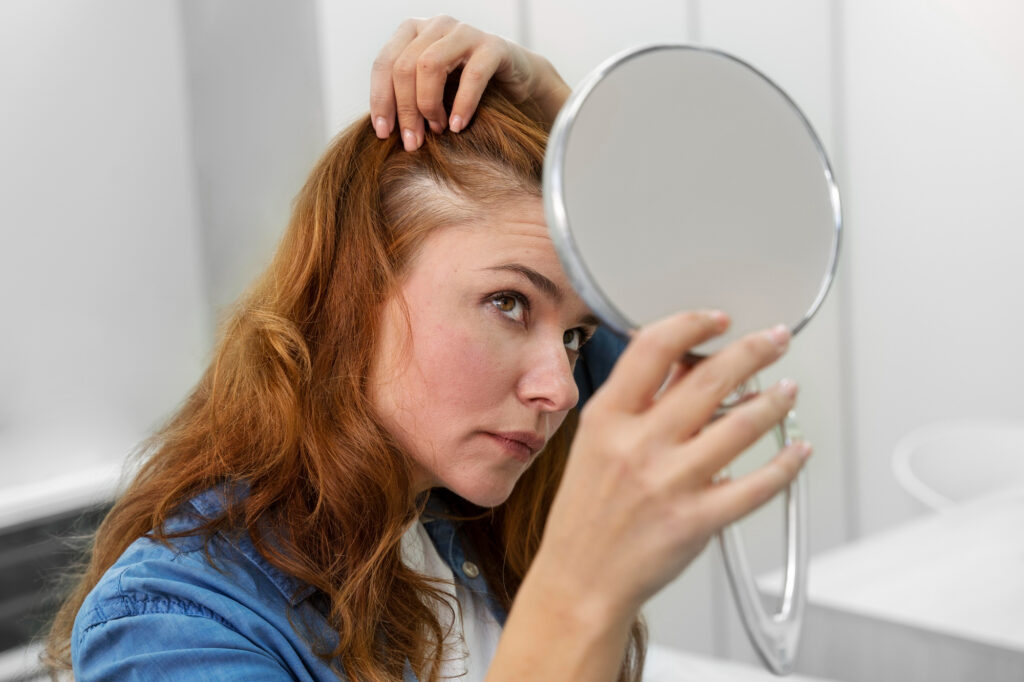
Bursting into adolescent behavior? Or is it that your hair is getting thinner or falling off more than ever? That is not a mere beauty problem, it might be a hormonal problem.
Acne, hairy faces, or oil skin may be caused by high androgens (such as PCOS). Hardly, on the other side, low estrogen or thyroid problems may make you dry with thin or brittle hair.
What might help:
- Have more healthy fats such as avocado, nuts and seeds- your hair and skin require these.
- Say goodbye to cruelty-free skin care and downscale your routine.
- Reduce dairy and sugar in case you have hormonal acne.
- See a dermatologist *and your GP in case things don’t disappear, maybe something more than skincare.
But anyway, What Can You do about it?
It does not mean that you have to be so overwhelmed to get your hormones back in tune. It takes little steps to go a long way. The following are just some of the soft, yet very effective methods on how to sustain your body:
Eat whole food: Veggies, healthy fats, fiber, protein. Reduce highly processed food.
Sleep is all: 7-9 hours is not lazy- it is quite indispensable.
Take a stroll every day: it can be a 20-minute walk.
She has made the list of the first steps that need to be taken in order to be able to live a toxin-free life: Replace plastic with glass, switch to a less harmful skincare, and be careful when using fragrances.
Manage stress: No, really. Stress destroys your hormones in a chronic state. Prioritize peace.
When to Get Checked
When any of these signs persist over a short period of time -or you are feeling off-kilter, and you can’t explain why-then it is time to have some hormone testing performed. That may involve thyroid screening, estrogen, progesterone, cortisol, etc.
You are supposed to feel good in your body. And there are times that you just require a few aids in figuring out what your body is attempting to communicate to you.