
You may have heard a person say that they have developed a urine infection or uti infection or you might have experienced that same pain of burning during urination and thought, what is happening down there? UTIs are not a new acquisition since they have been frustrating the lives of people since the beginning of time but up to 2025 it is interesting how the medical world is reexamining everything about it. The discussion on UTIs is evolving beyond the old adage of treating it quickly, with the current research, new recommendations, and an optimistic outlook on preventive studies, the message has become to treat it smart.
It is time to demystify what is actually going on in your body when you get a urine infection, why you cannot ignore certain symptoms and what science has to say about this year on how to treat it.
The Fact on File: What is a Urine Infection?
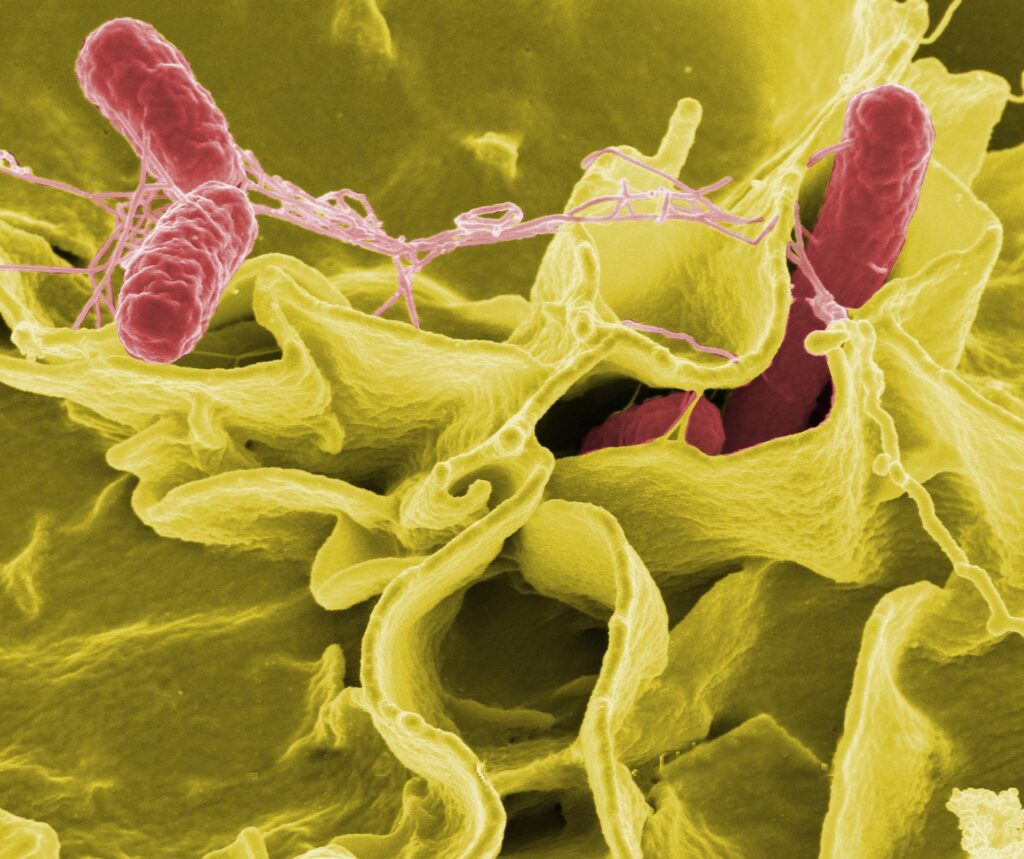
A urinary tract infection (UTI), or more technologically, a urine infection occurs when bacteria enter the urinary system, namely, the kidneys, bladder, ureters, or urethra. In most cases, your body has a defense wall against these microbes but there are times when they overcome it. The main culprit? Escherichia coli (E. coli) – a kind of bacteria, which usually resides in your gut, but sometimes it finds its way in the wrong place.
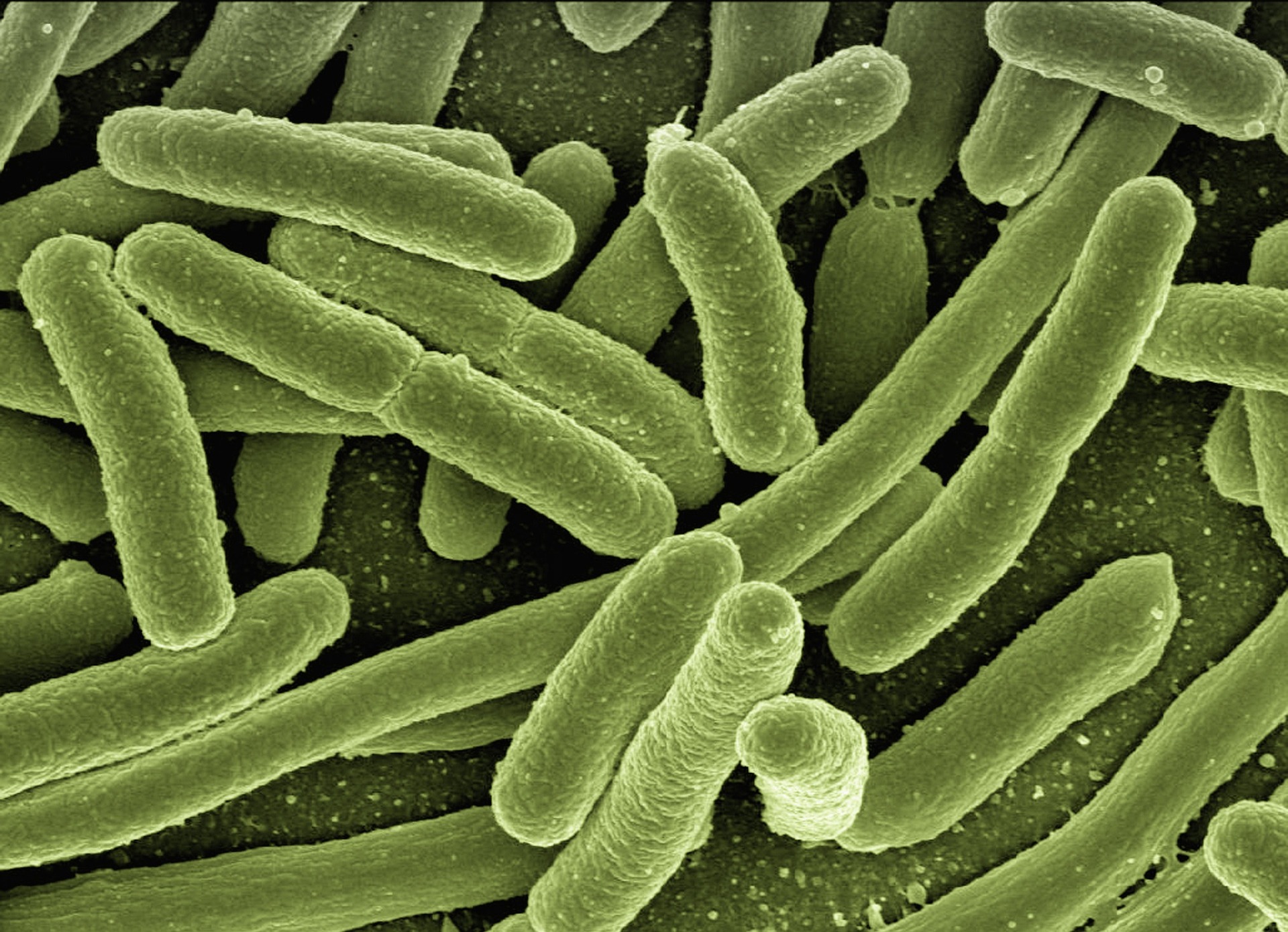
As soon as it is there it reproduces itself and bothers the lining of the urinary tract causing that uncomfortable, burning feeling that you just cannot stop feeling. Women are more prone to UTI due to differences in their anatomy, but they are not the only targets as men, children, and elderly persons are not totally saved either.
Identification of the Red Flags: Typical Symptoms.
A UTI typically presents a number of symptoms when it attacks your body. These are mild and may increase in intensity without therapy:
Painful or burning during urination.
Feeling to urinate quite often but only a small amount.
Dark urine with a strong odor or that which is cloudy.
Abdominal pain or back pain in the lower part.
Fever, chills, fatigue (particularly when the infection has spread to the kidneys)
The symptoms in the elderly are more baffling, and occasionally there is only sudden weakness or fogging of the mind, and no burning pain. Physicians are now focusing more on the effective diagnosis of older patients as the symptoms are easy to miss.
How Doctors Diagnose It in 2025
Gone are the times when a doctor simply gave some antibiotics when the first time a patient mentions that he/she has pain during peeing. There is more evidence based diagnosis in 2025.
Here’s how it usually goes:
Symptom check: The physician examines your symptoms first – frequency, pain, smell, color of urine.
Urine dipstick test: It is a fast strip diagnostic that identifies white blood cells, nitrites or traces of blood.
Urine culture: This is the gold standard. A lab test is done on the urine sample to determine the specific bacteria and the antibiotics that it is resistant or sensitive to.
The process of culture is more time consuming (24-48 hours), but it assists in making sure that you are not taking the antibiotics that you do not need or that they are not ineffective. This is essential to individuals having recurrent infections or chronic illnesses.

What Is Changing in 2025: The Resistance Problem.
This is the true twist, the antibiotics that could easily get rid of a UTI ten years ago are not effective anymore.
As per the recent study in the world, bacteria such as E. coli are becoming resistant to popular antibiotics such as amoxicillin and ciprofloxacin. This has compelled physicians and scientists to be much more cautious in the way the antibiotics are prescribed.
The medical trend towards 2025 sees the choice of targeted treatment over the former broad-spectrum manner. That is the utilization of lab results to select the most effective antibiotic and taking it within the shortest possible period of time. It assists in clearing the infection and minimizing the probability of development in the future of resistance.
It is also accompanied by a new interest in antimicrobial stewardship, or, put simply, the responsible use of antibiotics instead of their reflexes. Local resistance reports (also known as antibiograms) are now run in many clinics in order to determine the best option depending on the location.
Revised Treatment Strategies
This is what is mostly being pursued in 2025 according to the newest international guidelines:
In case of simple bladder infections (uncomplicated UTIs):
Physicians frequently recommend short, concentrated courses of such medicines as nitrofurantoin, fosfomycin, or pivmecillinam – according to local data on resistance.
In case of more serious infection or kidney-level infection (pyelonephritis):
Combination of oral and occasionally IV antibiotics is administered. There may be a need to be hospitalized because of fever, vomiting or dehydration.
When it is complicated or chronic:
The use of culture-guided therapy has become the norm. The universal method is being supplanted with individual treatment, occasionally with urologists in long term prevention programs.
The new set of guidelines also discourages the use of strong antibiotics that are considered as reserve unless it is the only way to go to avoid the further spread of resistance.
Beyond Pills: Non-Antibiotic Solutions on the Rise.
A remarkably intriguing line of study of UTI in 2025 will not be harder drugs – it will be finding natural and preventive solutions. Researchers are looking into the possibilities that enhance the body defenses rather than attacking bacteria all the time.
D-Mannose:
This is a simple sugar which is very popular and is present in certain fruits. It acts by ensuring that bacteria do not attach themselves on the wall of the bladder and they can be expelled through a natural mechanism by your body. Research in 2024-2025 is encouraging, particularly in women who are frequently infected.
Cranberry extracts:
Debated long but nowadays, clinical trials indicate that capsules of cranberry (high content of proanthocyanidin) could reduce the rates of recurrence in certain cohorts. It is not magic, but it works with some people in the scheme of prevention, which is bigger.
Probiotics and estrogen treatment:
Vaginal probiotics and topical estrogen could be used to restore natural bacterial balance and decrease the occurrence of infections in postmenopausal women.
Vaccines in development:
Yes, scientists are trying to develop anti-UTI vaccines. In 2025, there are several prototypes at early trials, which would assist the immune system in identifying and preventing E. coli before it infects the body.
Another Way of Thinking: When Not to Treat.
Another significant revision in 2025 concerns the so-called asymptomatic bacteriuria, which is a condition defined as the presence of bacteria in urine but does not cause any discomfort to the individual.
It is even worse to know that in the majority of people, this kind of treatment does not assist and instead it may be detrimental as it promotes resistance.
The only exceptions are pregnant women and individuals who have urinary operations.
The physicians have shifted their perspectives and are focusing on the watchful waiting method to all other people, only giving antibiotics to real infections.
What You Can Do to Keep Yourself Safe.
Doctors and researchers are working to perfect remedies but you can make a big difference by doing small, practical things:
Consume a lot of water to cleanse your system.
Do not withhold the urine long.
Wipe back and front to avoid the spreading of bacteria.
Urinate shortly after sexual intercourse to clear of any bacteria.
In case of repeated UTIs, ask your doctor about preventive measures – not only antibiotics.
Final Thoughts
The issue of urine infections might seem like a minor health concern, but in 2025, it will be a chapter in an even larger narrative of health care, one that will be changing the nature of our responsible use of medicine.
Healthcare is shifting towards precision treatment, smarter prevention and patient-centered care as opposed to throwing antibiotics at any given infection.
With the recent discoveries of D-mannose and probiotics to the hope of vaccines, the science obviously changes, and so should we.
The bottom line? Be in tune with your body, be informed and collaborate with your doctor and not only fight the bacteria.
Urine infection is not only the question of fighting the germs in 2025 and further, it is the question of outsmarting the germs.
Still you are looking for more information so Click Here for more regarding Urine Infection Study.
Are you still unaware of Dengue’s 2025 Latest Research and it’s Advancements? Click Here to Learn Now!