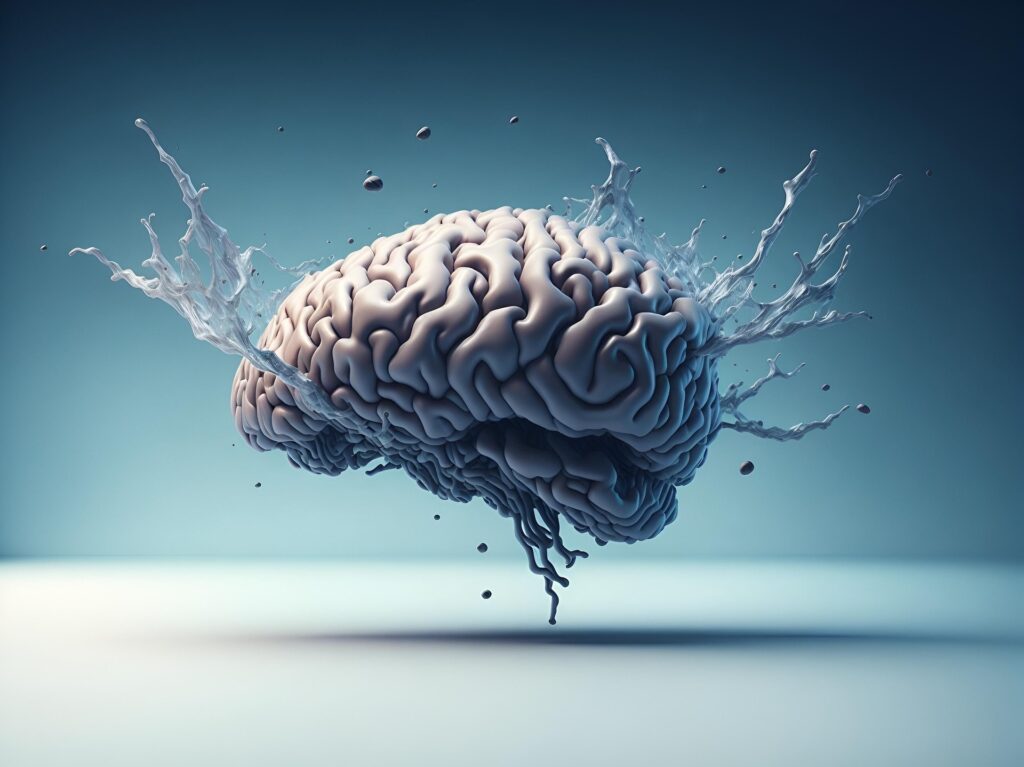
Anxiety Attack is not merely feeling a little bit anxious, or stressed out, but rather it is a continuum of emotions, thoughts and bodily reactions that may be concurrent, too intense and might be disruptive. All of us have nervous situations (Will I be there punctually? Did I press send on that email?”) but when the fear gets spiralling, the body adapts over and over again and the quality of life gets affected – then it is where the anxiety disorders come in.
Recent research (2024-2025) has narrowed the focus: We are now better informed on how anxiety is developed, how numerous are its manifestations, how susceptibility is increased by risk factors, and how emerging technologies and treatments are transforming the treatment environment. We will go through the definition of anxiety, its major disorders, how you can be able to identify it, and its treatment in the context of the recent research.
What is Anxiety (and what is normal vs. disordered)?
Fundamentally, anxiety is a normal human response. The brain and body prepare in the face of danger or uncertainty, or prepares before some event and our heart beats faster, we are alert, we scan and look to detect danger, we are ready to take action. This is the flight or fight system. However, once the anxiety grows disproportionate to the perceived threat, long-term, or focused on normal life as opposed to the challenge that is set up every now and then, it could be considered an anxiety disorder.
In a more thorough examination, published in the journal JAMA, the lifetime prevalence rate of any anxiety disorder in the U.S. is approximately 34 percent. They are chronic, debilitating and commonly interact with other psychiatric conditions (such as depression).
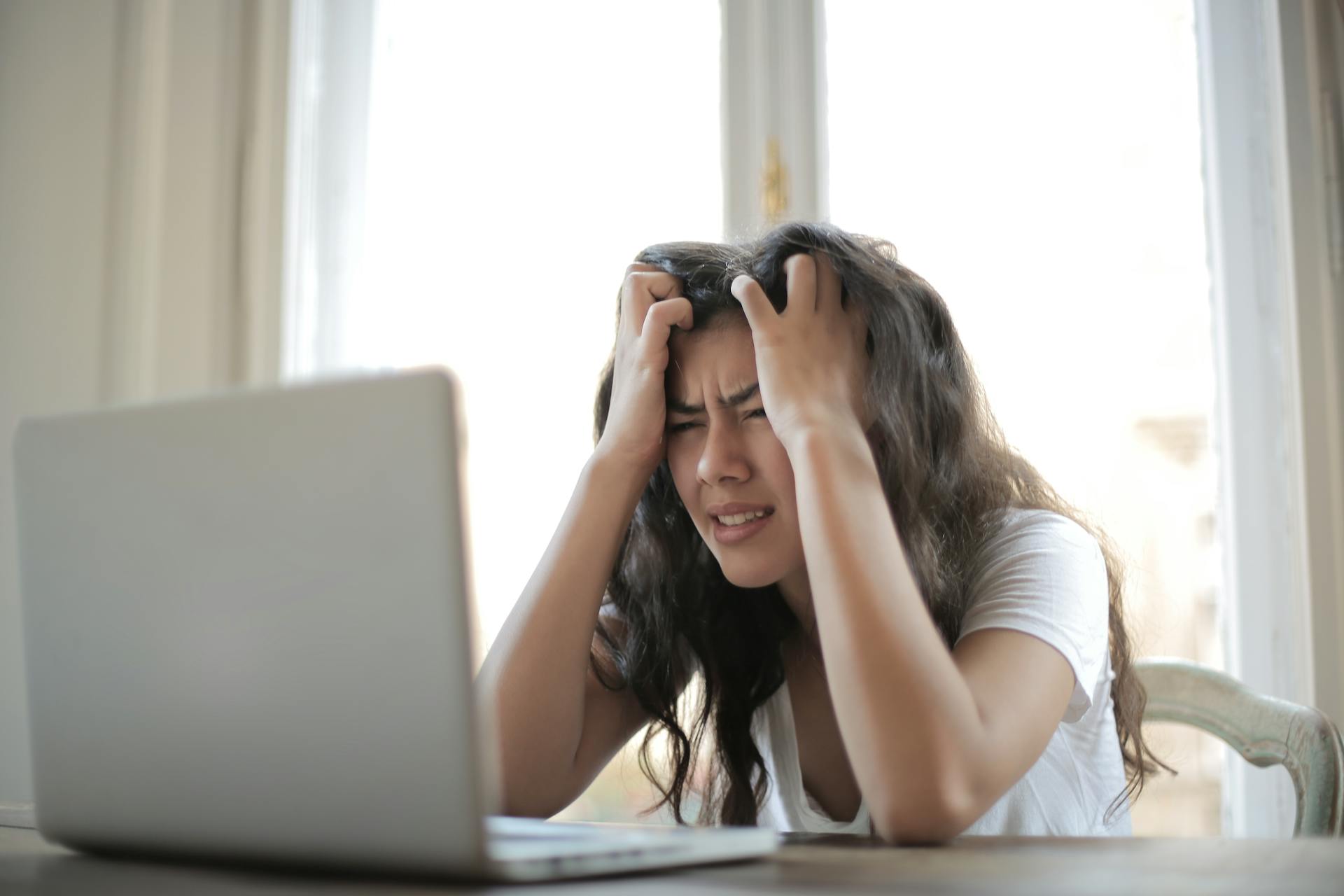
Notably, world epidemiology demonstrates that the issue is rising: A 2023 article revealed that approximately 4.05% of the world population, that is, approximately 301 million people, has an anxiety disorder, and the prevalence of the issue has been on the rise in the last 30 years.
Incidentally: anxiety is considered to be disordered when excessive and persistent, it causes maladaptive coping (such as avoidance of life), and it leads to impaired functioning.
Popular Anxiety Disorders and their Characteristics.
The following are some of the more common forms of anxiety disorder, their appearance, and their significance:
Generalized Anxiety Disorder (GAD): Month after month of worrying excessively about various areas (work, health, family, finances) and having physical anxiety symptoms such as tension in the muscles, restlessness, irritability, sleeping problems, lack of concentration. The JAMA review reports a lifetime prevalence of approximately 6.2% in the U.S. of GAD.
Social Anxiety Disorder (Social Phobia): Uncomfort in social or performance scenarios, concern about being judged or embarrassed and may frequently result in avoidance or excessive discomfort during social interactions. In the U.S., lifetime prevalence is about 13%.
Panic Disorder (with or without agoraphobia): The occurrence of panic attacks (an intense fear with physical symptoms such as palpitations, breathlessness and sweating), and the worry about re-occurrence of the same or behavioral modification to prevent the attacks. Lifetime prevalence ~5.2%.
Specific phobias: Unreasonable fear of a certain object/situation (e.g., heights, spiders), which leads to avoidance or excessive fear of the situation.
Anxiety Disorder (Previously hypochondriasis): Uncontrolled worry about developing or having a severe illness, despite being reassured by a doctor. The condition confuses anxiety and health-anxiety; a review article published in 2024 has pointed to the increasing burden.
These disorders tend to be too close together, and have common mechanisms behind them, so they are commonly referred to as one super category: the anxiety disorders.
Symptoms: What to Watch For
Anxiety occurs in many different forms, which include cognitive, emotional, behavioural, and physical forms. Here are some common signs:
Cognitive/emotional: Constant worry or rumination, worry of losing control, thinking in terms of what-ifs, inability to focus, being keyed up or on edge, irritability.
Behavioural: Shy (social events, speaking in front of people, driving, etc.), avoids procrastinating, safety behaviour (e.g., always has medicine on hand, constantly checking the body in case of illness, etc.).
Physical/physiological: Palpitations, elevated heart rate, sweating, trembling/shaking, shortness of breath, light-headedness/dizziness, nausea/gastric disturbance, muscle tension, sleeping disturbance, fatigue. The JAMA review refers to palpitations, shortness of breath and dizziness as some of the common physical symptoms.
Functional impact: Loss of productivity in work or school, avoidance of productive activities, loss of social interaction, loss of quality of life.
As an illustration, a recent Iranian cross-sectional study on GAD (2025) revealed that it was highly connected to socioeconomic and psychological stressors. In another study, the anxiety symptoms were observed in almost fifty percent (48) of diabetic patients in Kuwait; moderate to severe GAD was less (4 percent).
These data are a wakeup call: symptoms of anxiety are widespread, but the severity of anxiety and the period of time and the loss of functioning define disorder and a normal state.
Mechanisms of Anxiety: Risk Factors and Underlying Mechanisms.
Biological, environmental, psychological, and social factors interact in a complicated manner to create anxiety disorders. The better we know this interaction, the higher the prevention and treatment of them.
Biological vulnerability: There is genetic predisposition (family history is a contributing factor). The circuits in the brain of the amygdala (fear centre), prefrontal cortex (regulation), and autonomic nervous system (rapid response of the body) are involved.
Environmental stressors: Mysteries of life, trauma, long-term stress, disruptions due to the pandemic (social isolation, stress at school/work) have prompted the increase in anxiety levels among youth. In a systematic review of undergraduates, the most common themes were academic pressure, social assessment, and COVID-19 disruptions.
Developmental factors: Anxiety disorders in many cases start during the adolescence or at the beginning of adulthood. This may be caused by early life stress, parenting style, and attachment.

Psychological processes: Cognitive-behavioural theories put emphasis on maladaptive cognition (catastrophising If I speak up I’ll humiliate myself), avoidance behaviour (which supports fear instead of eliminating it), and safety behaviour which supports anxiety instead of eliminating it.
Socio-demographic factors: The prevalence of the 2023 global burden study is higher in women (1.66 times higher than among men) and in urban/high-income areas.
Novel research angles:
The use of wearable sensors and machine-learning models to identify anxiety states (ECG, EDA) has potential – however, generalisability (AUROC 0.62-0.73) is relatively low in one 2025 study.
Evidence of people with co-morbid medical conditions (e.g., diabetes) points out that physical illness may increase the risk of anxiety (as observed in the Kuwait study).
Interventions based on technology (VR, mHealth apps) are on the increase, particularly among younger groups. As an example, a 2025 survey of mHealth apps for childhood anxiety disorders identified a large number of applications, but only a small number of them pass strong scientific, privacy or clinical-effectiveness criteria.
Treatment: What Works (and What’s New in 2025)
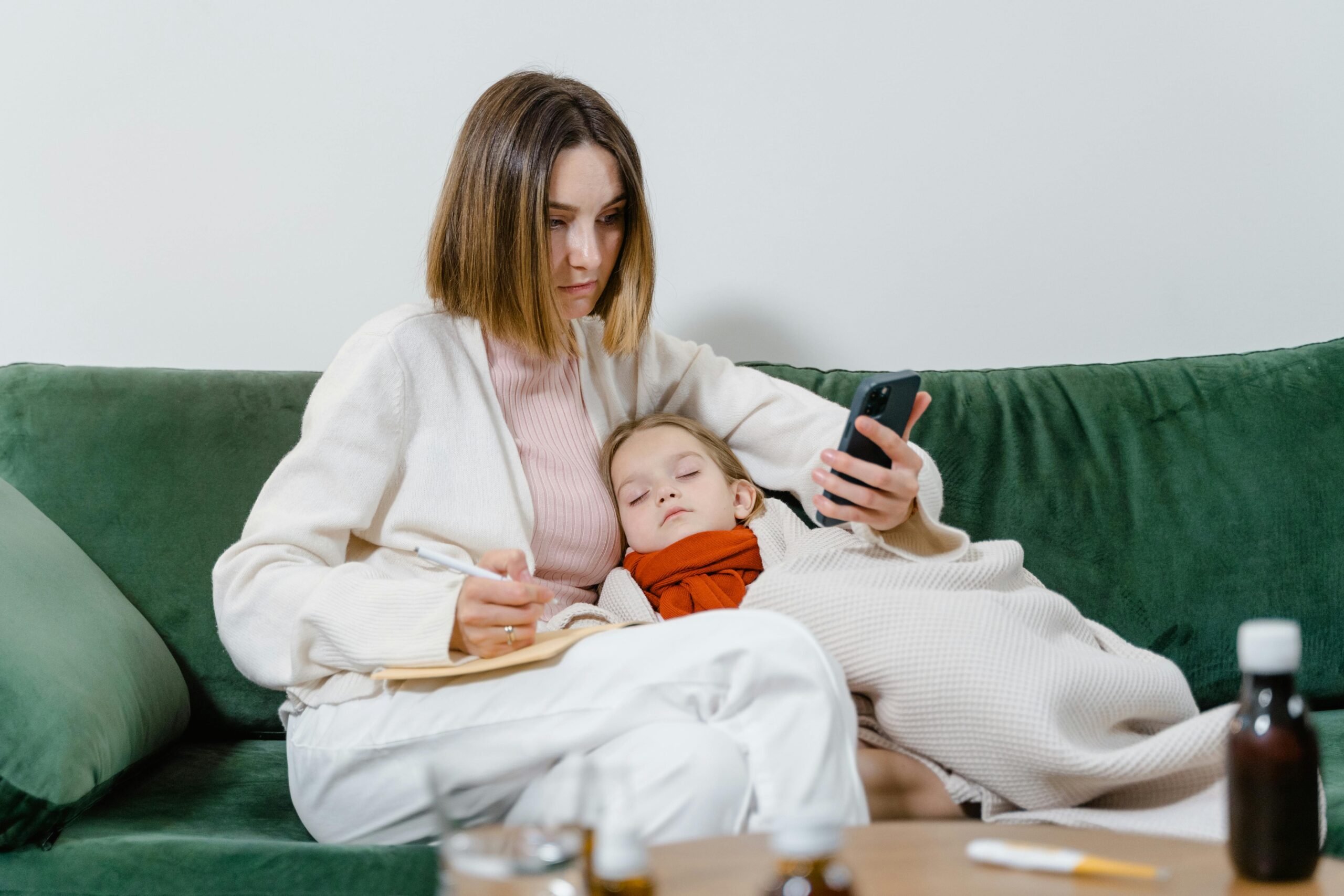
The positive news: the anxiety disorders can be treated. With a proper strategy, a lot of individuals are able to become better. The question is: what, when, and whom? New studies provide new informative materials.
Established Treatments:
Psychotherapy: The best one is Cognitive Behavioral Therapy (CBT). According to the JAMA review, CBT had large effect sizes in GAD (Hedges g [?] 1.01). The focus of phobias and social anxiety is exposure-based therapies (gradual confrontation of fear).
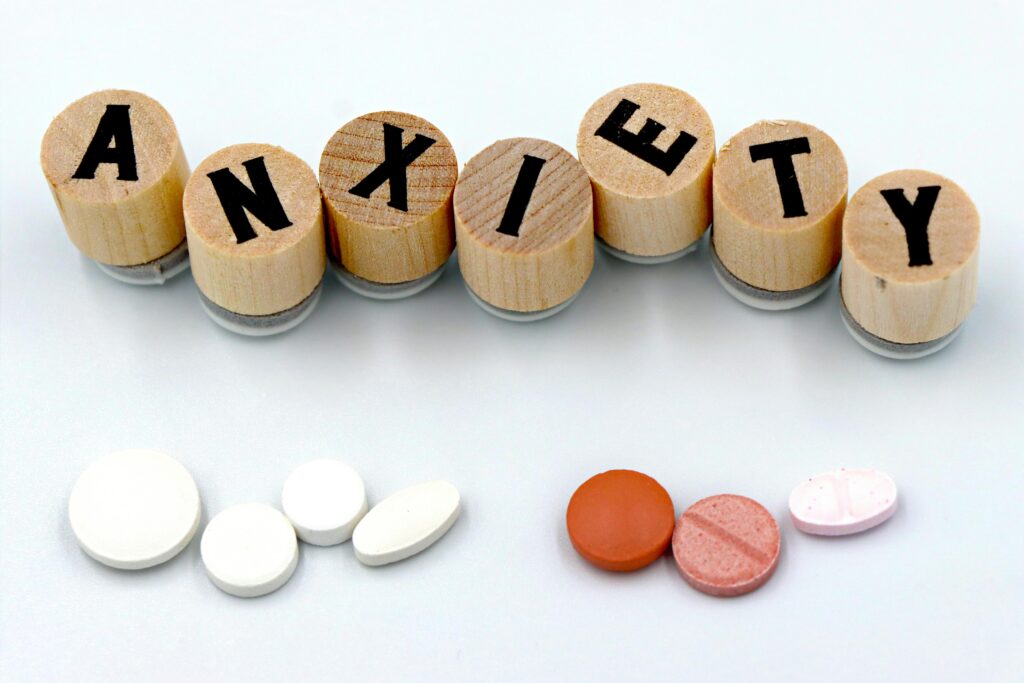
Pharmacotherapy: Selective serotonin reuptake inhibitors (SSRI) such as sertraline, and serotonin-norepinephrine reuptake inhibitors (SNRIs) such as venlafaxine extended release, are used as first-line drugs. The magnitude of effects is small-to-medium relative to placebo.
Systemic methods: Therapy + medication are effective in most instances compared to either method
Trends Imminent and 2025-Relevant:
Online therapies:
According to a 2025 systemic review of self-guided virtual reality (VR) therapy, VR interventions were found to be effective in reduction of social anxiety, public-spoken anxiety and specific phobia; user acceptability was good, attrition low, however, long-term effects and comparisons with conventional self-help are under-investigated.
The review of the mHealth applications (children/adolescents) offers warnings that despite the growing digital access, a number of commercial applications are scientifically unfounded or without privacy protection.
AI-driven wearables to detect anxiety (as above) could be used in future as a screening/monitoring tool instead of treating now.
Special populations/ comorbidity:
Acceptance and Commitment Therapy (ACT) was identified as the most effective intervention in 2025 Bayesian network meta-analysis of children/adolescents with anxiety disorders, then CBT, VR exposure, and physical exercise. Nonetheless, the quality of evidence was poor and the results fluctuating.
In the case of patients who are medically ill (e.g., diabetes), the screening of anxiety is under the increasing focus as it could influence the disease management and outcomes. (See Kuwait study above.)
New biological/neuromodulation interventions:
In a 2025 study on patients with medically complex conditions (e.g. Parkinson disease), the deep brain stimulation (DBS) targeting of basal-ganglia theta waves is promising to address anxiety symptoms; it cannot be generalised at present but suggests the potential of neuromodulation.
Psychedelic research is on the way: A preclinical trial of Lysergic acid diethylamide (LSD) revealed some positive outcomes in the anxiety control of generalized anxiety disorder. This is an indication of broadening pharmacological horizons though it is not mainstream yet.
Implementation of Treatment:
Treatment does not just consist of choosing a therapy. Key considerations:
Assessment/screening: GAD-7 questionnaire is a simple tool that can be used to detect anxiety during a primary care.
Individualisation: Pay attention to the age of the patient, comorbid conditions, tastes, culture, service availability.
Handling avoidance and coping behaviours: Treatment normally assists individuals to approach feared events instead of escaping them – avoidance can help alleviate anxiety in the short run but strengthen it in the long-run.
Support & psychoeducation: To assist the individual and family to understand anxiety, how it becomes maintained, and how it recovers, the support and psychoeducation enhances the outcome.
Monitoring and adjustment: The symptoms can vary; it is essential to make sure that the progress, adherence, side-effects (when it comes to medications) and adjusting the plan is observed. Prevention and early intervention: Since most of the anxiety disorders begin at an early age, including mental health support in schools/universities, and the digital tool can potentially identify the concern before it becomes problematic.
You can also visit for further treatment information by clicking here.
Future Directions and Challenges.
Nevertheless, even now, there are gaps and challenges:
Quality of evidence The ACT vs CBT vs VR meta-analysis in children/adolescents had low overall evidence quality, heterogeneity and imprecision.
Access and equity: In the situation when there are effective treatments, there are still barriers: stigma, absence of trained therapists, cost, digital divide (in several countries, including low/middle-income ones).
Long-term outcomes: A lot of research is devoted to the short-term results (3-6 months). Prolonged recovery, relapse prevention and functional restoration is not adequately studied yet (VR self-guidance study notes this).
Technology risks: There is a high demand among the apps/VR/wearables but many cannot be well-validated, and there are concerns surrounding the data privacy, user engagement, regulation. This is highlighted in the review of the anxiety app used in childhood.
Comorbidity and complexity: Anxiety is usually associated with other conditions-depression, drug use, chronic physical disease, which makes it difficult to treat and to study it.
Cultural/contextual variability: A lot of studies are western based; what is required is culturally based interventions, particularly on places such as south Asia, Africa, etc.
New treatment frontiers: The fields of neuromodulation and psychedelics are promising but safety, ethics, long-term effects and scalability are unanswered.
What You Can Do: Some Tips in Practice.
Either as an individual, or as a supporter, you can take some practical actions:
Be aware of the symptoms: frequent worry, avoidance, physical symptoms, interference with the normal life.
Begin with a professional examination — early intervention is more.
Select a treatment that is commitable (therapy, medication, both) and remain committed.
Be lifestyle practices: exercise (has a beneficial effect although the effect size is insignificant), sleep hygiene, balanced diet, social connectedness.
View technology-based tools more as an addition (apps, online therapy, VR) but verify quality (find evidence, reviews, privacy policy).
Keep track of your progress with your therapist/doctor; make realistic goals (less avoidance, better functioning, not necessarily zero anxiety).
When medication is used, comment on side-effects, course of treatment, tapering.
In relation to families/communities: minimize stigma, facilitate open discussion of anxiety, facilitate resource access, encourage early help.
Summary
Anxiety disorders are prevalent, misconceived, devastating, yet curable. The 2024-2025 research demonstrates that our knowledge is changing: better epidemiology and mapping of risk factors will be replaced by digital innovations, new treatment options, and interventions for special populations. Now is the issue of turning this knowledge into just care, customised treatments, lifelong recovery and universal access. Whether you or your loved one have been grappling with anxiety, you need to understand that you are not alone, there is help and you are making a difference. Through the right mix of therapy, lifestyle and support and, more and more, technology, a large number of people are restoring their balance to a less anxiety-oriented life.
NOTE: There is also more virus and its latest research know came into being you can Learn more immediately to keep yourself safe.
Top 10 FAQs of 2025 Anxiety
What is an anxiety disorder and what is the difference between a normal stress and an anxiety disorder?
Answer:
Anxiety disorder is a psychiatric disorder in which worry, fear, or nervousness are subject to intense, common, and uncontrollable levels. Contrary to common stress (that is often short-term and situation-specific), anxiety disorders are long-term in nature and disrupt normal life. The examples are Generalized Anxiety Disorder, Panic Disorder, and Social Anxiety Disorder.
What are the typical symptoms of an anxiety attack?
Answer:
Anxiety attack commonly referred to as a panic attack is a sudden, intense fear or discomfort. The symptoms are similar to having the heart race, tightness in the chest, shortness of breath, perspiration, trembling, light-headedness, or feeling out of control. It may seem so daunting– although it is not life-threatening.
In 2025, how will an anxiety disorder be diagnosed?
Answer:
By 2025, the majority of mental health professionals are employing such tools as GAD-7 questionnaire, clinical interviews, and occasionally physical technologies or mobile applications to monitor the trends in worry and physical symptoms. A diagnosis is reached when the symptoms are too excessive and have been experienced over a period, and have resulted in an interference with life or relations.
Meditation and anxiety: true or false?
Answer:
Yes, anxiety meditation has been proven to be effective in most instances. Overactive stress responses can be minimized by practices such as mindfulness, deep breathing, body scans, and guided imagery. The more recent research in 2025 demonstrates the usefulness of tech-enhanced mindfulness (through VR or applications) to assist people to soothe down the mind and reset the thought patterns associated with anxiety.
What causes anxiety attack and how do I help to avoid it?
Answer:
The triggers depend on an individual, although they tend to be excessive stress, caffeine, sleeplessness, memory of trauma, or certain phobias. In order to decrease the likelihood of getting an anxiety attack, you should:
Anxiety meditation practice.
Not taking stimulants, such as caffeine.
Exercising and getting a good sleep.
Applying grounding strategies with escalation of stress.
Therapy to know what triggers you.
Which is the most effective therapy of anxiety disorders in 2025?
Answer:
Treatment is all about the individual but the most effective ones are:
Cognitive Behavioral Therapy (CBT).
Medication (e.g., SSRIs)
Practicing meditation to calm down anxiety and mindfulness therapies.
Phobia and social anxiety- exposure therapy.
Online therapy applications and Virtual Reality (VR) in guided therapies.
Combinations therapy (medication + talk therapy) results are usually strong.
Do anxiety disorders have a genetic or causation by life events?
Answer:
Both. Families are likely to have anxiety disorders and therefore genetic factor. Nevertheless, it can be caused by the influence of environmental conditions, such as childhood trauma, chronic stress, and even overload with social media. 2025 research still investigates the relationship between genes and life experiences, which form the pattern of long-term anxiety.
What is the average duration of an anxiety attack?
Answer:
The majority of anxiety attacks last 10-15 minutes and can take up to 30 minutes. Certain symptoms such as fatigue or dizziness may be experienced several hours later. Although the experience may seem intense, it should be kept in mind that the body cannot remain in the panic mode too long.
Does the anxiety disorder have enough to do with meditation?
Answer:
Anxiety meditation is an effective self-help methodology though it typically is most effective coupled with alternative therapies. Daily through meditation and breathwork can be sufficient in mild cases of anxiety. Nonetheless, professional therapy, drugs or guided interventions are frequently suggested to be used in combination with meditation when the anxiety disorders are diagnosed.
What would I do in case of an anxiety attack?
Answer:
The following are some steps that you can take now:
Breathing slowly: 4, 4, 4 (box breathing).
Calm yourself down: 5-4-3-2-1 (name things you see, touch, hear, etc.).
Repetition of calming down affirmations: This will pass, I am safe etc.
Attempt anxiety quick meditation: Go through a calming application or consider your breath.
Do not escape: Sit with the feelings when safe, this will help one develop less fear in the long run.
In case the anxiety attacks are prevalent, it is prudent to seek the services of a mental health professional.
Is anxiety a disease that is permanent or can it be cured?
Answer:
A significant number of individuals are able to recover or know how to take care of their anxiety such that it does not take charge of their lives anymore. Psychological disorders like anxiety can be treated very well. Although some of them can react to stress through flare-ups, therapy, medication, and anxiety-related meditation, as well as lifestyle changes, can help achieve long-term stability or remission.
What is the difference between an anxiety and a panic attack?
Answer:
There are differences between the terms which are regularly used interchangeably:
Panic attacks are sharp, intense episodes of fear, which have severe physical manifestations, and they may appear unexpectedly.
The anxiety attacks usually accumulate over time depending on stress or worry.
Both are painful, although panic attacks tend to be brief and more physical.
Are there anxiety disorders in children or teenagers?
Answer:
Absolutely. Actually, most of the anxiety disorders start when one is a child or adolescent. Youths have social anxiety, separation anxiety and anxiety related to tests. Therapy, family support and mindfulness intervention such as anxiety-reducing meditation in its early days can be a significant difference.
Is there any anxiety medication side effects in 2025?
Answer:
Yes, but the side effects are different depending on medication. Some of the typical ones are nausea, tiredness, headaches or sleep disturbances. A majority of them are short term and can be controlled. The medications of 2025 will have fewer side-effects and be more personalized (e.g. prescriptions based on genes). Always seek a physician regarding the most appropriate choice.
What is the actual mechanism of meditation against anxiety?
Answer: Meditation is known to relax the hyperactive sections of the brain that contribute to the creation and growth of anxiety, particularly, the amygdala (fear center). It redirects the thoughts off racing and into the present. Meditation is also known to improve sleep, decrease cortisol (stress hormone) and have a more balanced nervous system after regular meditation. It can help even during 5-10 minutes a day.