
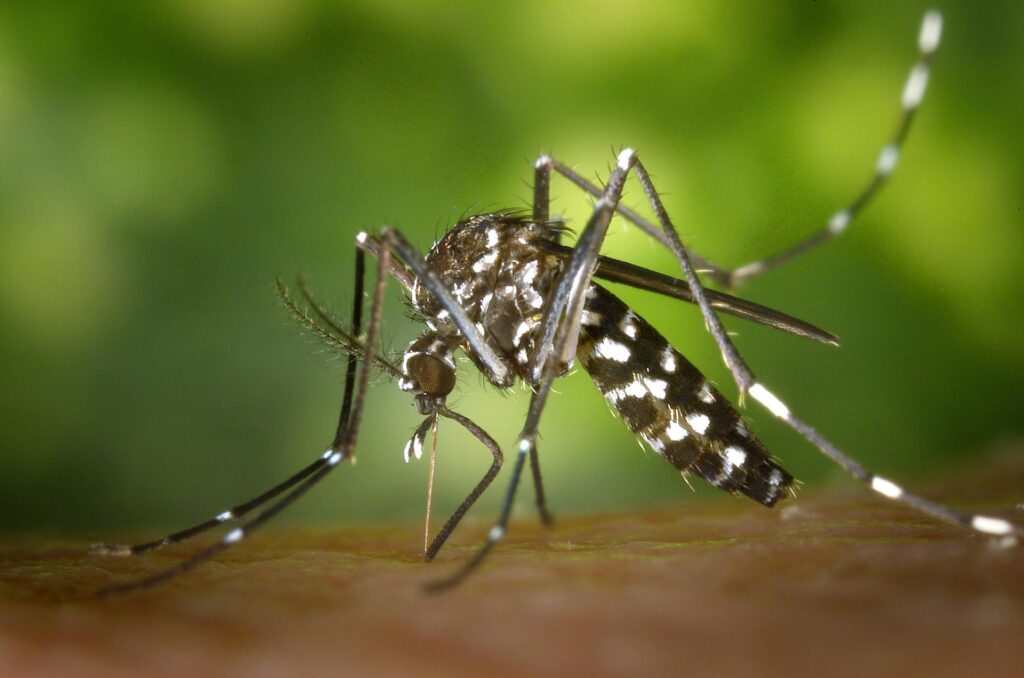
Are you long for study Dengue in 2025: Latest Breakthroughs in Symptoms, Treatment (Dengue Fever Vaccine) you are at the right place let us increase your knowledge regarding latest researches. Dengue is a disease that is caused by dengue virus ( DENV 1, DENV 2, DENV 3 and DENV 4 ) an organism that is transmitted to a person through an infected female Aedes mosquitoes (particularly, Aedes aegypti ). Due to urbanisation, climate change and international travels, the dengue has become commonplace and is currently a significant population health issue in most of the tropical and subtropical countries and even wider.
The virus causes infection on human blood vessels, immune cells and tissues and has varying severity on humans like mild influenza like disease through dengue haemorrhagic fever (DHF) or dengue shock syndrome (DSS) which is fatal and life threatening.
The main complication is that once an individual contracts a single infection by a particular serotype, he or she is immune to that serotype, however, when he or she contracts an infection by a different serotype later, there is a chance that he or she could develop severe disease (because of mechanisms such as antibody dependent enhancement, or ADE).
So it is a bait dengue: may seem like I had it before and no worries but it does not mean you are immune to the rest of them and in fact, it can increase the risk in some circumstances.
The Context in 2025
The world is becoming increasingly more urgent and concerned about dengue due to a number of converging factors:
Clinton, 2010, p.94, para.1-6: World Health Organization (WHO) states that the number of dengue-related cases globally has been steadily increasing in the past several years, and the geographic coverage of the Aedes mosquitoes is growing.
- Controlling mosquitos is no longer only a problem: urban sprawl, weather patterns as a result of climate change, travel and other threats of arboviruses are putting the danger in a new, heightened way.
Research is currently catching up: The speed of new vaccines, therapeutics, diagnostics and the use of vectors continues to increase.
That is why we cannot describe the symptoms, the treatment and the vaccine without considering them based on this changing environment.
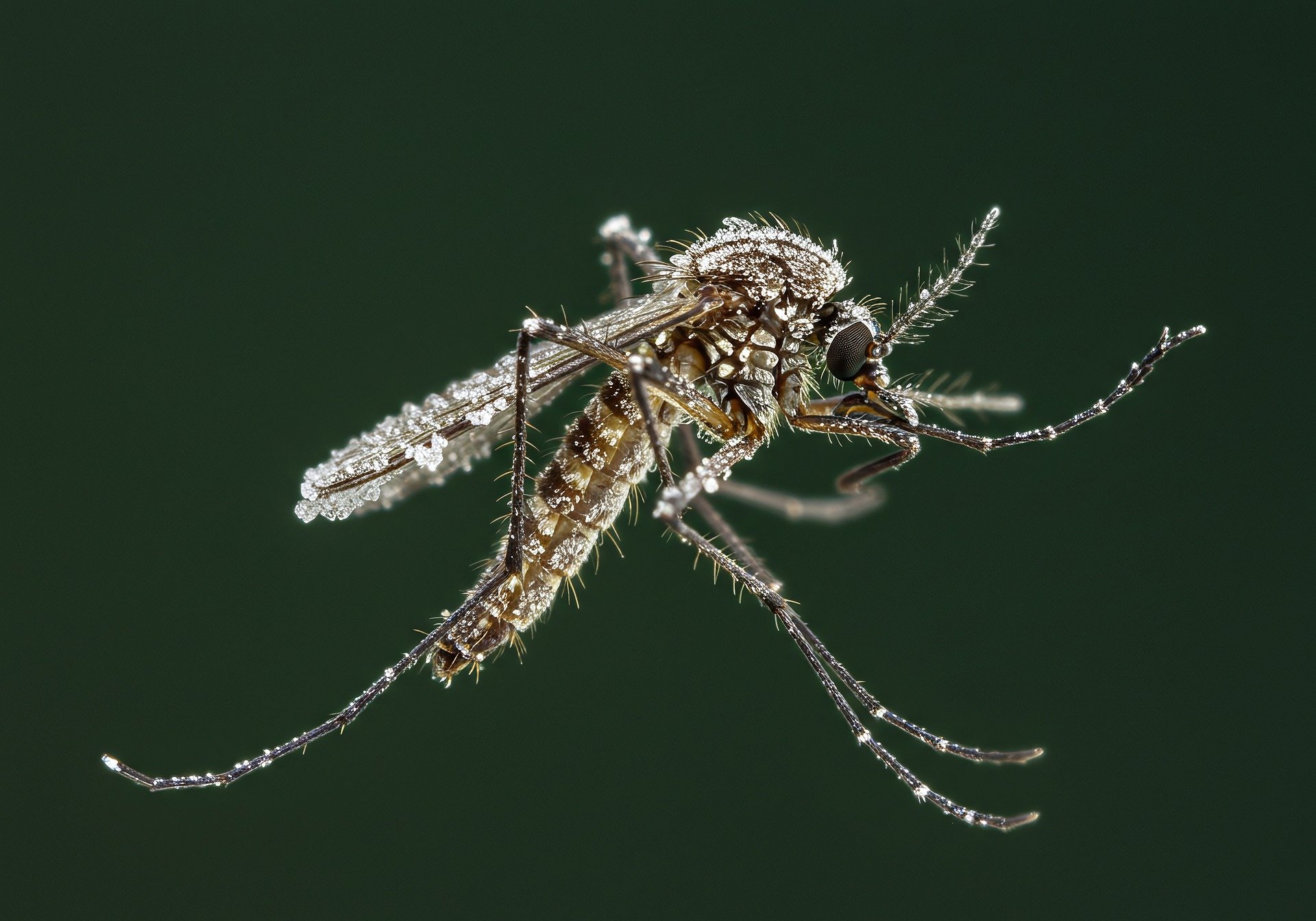
Symptoms: What to Watch For
Dengue usually starts with somewhat absent symptoms that is the reason why it may be misdiagnosed (e.g. influenza or other viral infections). However, there are trends and certain red flags that should be mentioned:
Common symptoms
High fever (including > 38.5 degC / 101.3 degF) suddenly.
Severe headache (located behind the eyes)
Pain over joints and muscles (In ancient times, it is called a break bone fever).
Nausea and vomiting
Skin rash (can be seen 2 5 days after getting a fever)
Light hemorrhage (e.g. nosebleed or gum bleeding)
Weakness, fatigue, general malaise.
Mild hepatic involvement or swollen lymph nodes of some cases.
Dengue fever vaccine article is listed below you can learn more by scrolling down.

The symptoms normally occur 4 10 days following being bitten by an infected mosquito, and they take approximately one week in non-complicated cases.
When it becomes more serious
What is of particular concern about dengue and dengue fever vaccine are the complications. In 2025, further studies can still help increase our knowledge concerning the timing and reasons behind their occurrence. For instance:
A La Jolla Institute of Immunology study found that the children with two (or more) dengue infections had a more robust protective T cell response, which was associated with significantly less (or no) symptoms in future infections. (ScienceDaily)
A recent study in India has conducted a study in a hospital setting and one of its findings stated that the young adults (18 30) and the elderly may pose more susceptibility to severe dengue disease than it was once thought that it only affects children. (The Times of India)
There are risks which are associated with severe disease: prior infection with a third serotype, immunology, comorbidity, late care, high viral load, and some potentially viral/host genetic variables.

Dengue severe (DHF/DSS) is a life-threatening illness with warning signs of:
Remitting vomiting or abdominal pain.
Bleeding of the gums, nose or as in the stool/vomit.
Breathing becomes hard, becomes restless or has decreased blood pressure suddenly.
Dark two-fold drop in the platelet count and escalating haematocrit (paraemia, platelets are leaking out)
In case of their occurrence, immediate medical attention is necessary.
Diagnostics & Monitoring
Dengue can resemble other febrile diseases; thus, it is important to provide proper diagnosis. Examples of standard methods are:
- Clinical/history (recent mosquito exposure, traveling, symptoms) examination.
Blood tests Platelets (usually low in dengue) haematocrit, liver enzymes, occasionally detection of viral antigen or viral RNA (RT PCR) or serology (IgM/IgG).
Monitoring: one of the main issues: platelet downward trend monitoring, haematocrit increasing, evidence of plasma leakage, etc.
Significantly: in 2025, the publication of a global standard to measure outcomes in the dengue treatment trials (co-led by Kings College London and University of Oxford) will generate standard metrics that can be used in future studies. (News-Medical)
This implies that in the future, we will be more comparatively better when considering research, which will suitably enhance diagnosis, monitoring, and research outcome.

Treatment: What is there and What Is New.
Traditionally, dengue has only been treated in a supportive manner: rest, fluids, analgesics, close observation. No known antiviral treatment has been approved till recently. However, 2025 is registering positive gains.
Current standard care
Keep hydrated (oral or intravenous, as required)
Paracetamol/ acetaminophen. Aspirin, ibuprofen or other NSAIDs should be avoided as it may cause risk of bleeding and platelet interference.
Medical observation: observation of complications: platelet count, haematocrit, vital signs, liver/kidney functioning.
Hospitalisation in case of warning signs of severe disease.
Treat complications (blood loss, shock) in the ICU where necessary.
Emerging therapeutics
There comes an interesting detail:
In March 2025, a drug candidate named NITD 688 (which was developed by Novartis in partnership with the University of Texas Medical Branch (UTMB)) was reported. This is due to its effect on the interaction between viral proteins NS3 and NS4B in the dengue virus replication “factory. It stopped dengue infection in pre clinical studies, and is currently in the Phase 2 trials. (UTMB WWW (ROOT))
A human therapeutic, AV 1, a monoclonal antibody, created by AbViro and sponsored by the National Institutes of Health (NIH) NIAID, is currently in Phase 2 human trials (in healthy adult volunteers inoculated with weakened dengue virus) to determine its safety and efficacy. The PR team is responsible for crafting an effective communication plan to improve the impact of the annual report on both prospective and current customers. The PR team will need to develop a proper communication strategy so as to enhance the effectiveness of the annual report on potential and actual customers. The developments are yet to provide some sort of a common accessible solution to dengue but they are a major change; a shift of solely providing care to specific therapeutics.
Implications
With the advent of specific treatments, there will be:
Dengue treatment may no longer be within the confines of wait and monitor, but rather treat and prevent complications in an event that was proved to be safe and effective.
This can decrease hospitalization, severity, complications and mortality by being interceded upon at earlier stages. Yet, accessibility, price, distribution of the endemic regions, regulatory acceptance will all be likewise challenges, not to mention that the dengue management includes also the control of vectors, infrastructure, and health of the population.
Vaccines & Prevention: New Research and Implementation.
One of the most effective ways of combating infectious diseases is through vaccines. The development of the dengue fever vaccine has been a complicated one-but 2024- 25 has provided some real gains that count.

Current vaccines and limitations Existing vaccines and their limitations.
CYD-TDV (Dengvaxia by Sanofi Pasteur) is the most popular dengue fever vaccine. The approval of it is in countries where a person has been previously infected with dengue (seropositive). In case of their being given to seronegative persons, it risks increased disease when later infected.
Pre-qualification of a second vaccine: a second vaccine is pre-qualified by the WHO: TAK-003 (also known as Qdenga, by Takeda Pharmaceuticals). This is a live attenuated vaccine with all four serotypes. WHO recommends it in children 6-16 years in high-burden locations at two doses with an interval of 3 months. However, there are significant limitations: the implementation of vaccines, its cost, seropositivity status, age limitations, and inconsistent efficacy in case of a previous infection are obstacles.
Newer vaccine candidates in 2025
In India a native vaccine candidate, DengiAll (brothered by Panacea biotec and Indian Council of Medical Research (ICMR)) is also undergoing Phase III trials (enrolment of about 10,500 subjects, in approximately 20 centres) which anticipates enrolment to be finished by October 2025. That could result in a greater availability of locally-available options in endemic nations.
The vaccine market is projected to increase a great deal: in a report published in September 2025, the market worldwide of dengue fever vaccines is expected to expand to an annual rate of US $1.15 billion in 2025 to approximately US $3.0 billion by 2033 (CAGR 13%).
Read more regarding dengue fever vaccine updates.
Phoenix Research
There is also ongoing research on universal dengue vaccines or dengue fever vaccine (the one that covers conserved epitopes in all serotypes) and better dosing/age-indications, which in case successful would ease the policy on vaccination. According to one study, immune-based T cells in children following several infections were observed, which can be used to guide future vaccine development.
Useful tips on vaccination in 2025
Dengue fever vaccine is now a part of the public-health strategy in high-burden settings (particularly in the context of TAK-003 pre-qualified).
It is more complicated with travellers or non-endemic region residents: he or she has to take into account previous infection, local vaccine approvals, serostatus, timing, price, and risk to benefit. Notably: vaccination does not substitute the activities of mosquito-bite prevention and decreasing the number of vectors.
Non-Vaccination prevention
One pillar is vaccination, yet there are numerous other steps that would not be ignored:
Prevention of mosquito bites: wear long clothes, use repellents, sleep in nets, use window/door screens.
Destroy stagnant water that is the breeding ground of mosquitoes: standing-water in water containers, tyres, buckets, flower pots, clogged sewers.
Public health vector-control: bugs PR: Misting, larviciding, transgenic mosquitoes (i.e. mosquitoes expressing Wolbachia bacteria to inhibit virus transmission) are gaining popularity. Social consciousness and cooperation, particularly because the dengue epidemics can quickly spread in the susceptible regions. The WHO focuses on streamlining intersectoral action and enhancing it.

In It All Sums Up: What It Means to You.
Things are going to be different in 2025, but whether you live in or visit a dengue area (several regions of Asia, Africa, Latin America, but more and more other places too), you can keep the following points in mind:
Know the symptoms of dengue – it may have mild symptoms, but closely watch them, and consult medical attention in case there is an alarming occurrence.
Prevention is considered fundamental – will you get a dengue fever vaccine when you are already sick, use repellents, do not expose yourself to mosquitoes, and get rid of standing water.
There is an increased availability and clarity of vaccination – the TAK-003 vaccine is a landmark and there are other candidates being willed. However, look into local regulatory position, age-eligibility, previous infection position, expense, and its classification between travel and endemic region.
Treatment will be transformed – as supportive care is the norm today, with therapeutics (such as NITD-688 and AV-1) emerging, it is likely that in the near future we will have the actual countermeasures to an antiviral.
It is not just that one infection excuses subsequent ones with different serotypes, in fact, repeat infections with different serotypes might be more dangerous; it is beginning to be evidenced that immune responses such as T-cells are relevant.
Infrastructure and public health are not only important in dealing with outbreaks, but only strong health infrastructure, control over vectors, surveillance, tests, and community work would be sufficient (Corr, 2017). Adaptation to global distribution Globalization is occurring: dengue is not only tropical anymore; as radiant climates grow and mosquito habitats expand, new geographical areas are potential risk zones.
Outlook & Challenges Ahead
There are a number of challenges that need to be overcome, despite the promising nature of the recent research:
Equal access: Dengue fever vaccines and therapeutics also remain not equally available in most of the highest burden countries. The manufacturing, cost, supply chain and the regulatory approvals all should be scaled up.
Serostatus complexity: In certain dengue fever vaccines, past infection history influences either safety or efficacy. That makes policy and implementation difficult.
Resistance and fatigue in control: The control of vectors is a challenging task particularly in slum cities where lack of sanitation is rife. Innovative technology (e.g. Wolbachia, sterile insects) has the potential, but requires mass uptake.
Adaptive viruses: Dengue viruses change; serotype change occurs, and local variations do count–so surveillance is essential.
Behavioural & systemic: There are parameters to living conditions, access to healthcare, travelling habits and climate susceptibility of people, which shape dengue as a monster in any location.Yet: the momentum is real. As more vaccines are pre-qualified by WHO, drug candidates continue to go to human trials, standardised trial results are published, and improved modelling of outbreaks the instruments to lessen the burden of dengue are becoming increasingly available. The following 5-10 years would become transformative in case policy, funding and implementation are aligned.

Final Thoughts
Dengue is an acute, infectious health dilemma in the world-yet-with-increasing-hope. Not only are we not talking the “mosquito control and bed nets” (although they still matter) we are also talking about vaccines, antivirals, diagnostics, surveillance, and smarter public health interventions. In case you are in such an area where dengue exists (or will go there), be aware. Protect yourself, monitor symptoms, and follow through with an ever-growing number of available dengue fever vaccines and treatments.
FAQ’S
What is the vaccine against dengue fever?
It is an immunization that allows averting the dengue infection by immunizing against the four serotypes of the virus.
To whom should dengue fever vaccine apply?
High-risk areas may include children and adults. There are others that will not work without a prior infection by dengue infection.
Is the dengue fever vaccine a universal vaccine?
No, it has to be available based on local health approvals. As of 2025, TAK-003 is granted in several countries.
What is the dengue fever vaccine effectiveness level?
It is efficient, particularly in the prevention of a severe dengue and hospital run-ins, but its outcomes differ depending on age and previous exposure.
Is the dengue fever vaccine associated with any side effects?
The side effects are mostly mild such as pain at the injection site or low fever. Serious effects are rare.
DO YOU KNOW?
Learn More by clicking on Do You Know.