
Mpox, previously referred to as monkeypox, has existed in the global health discourse a few years back. Although it initially received a lot of attention in 2022, in 2025, it has introduced new changes and information regarding this virus, including its spread, symptoms that are currently emerging and how scientists are striving to treat and prevent it more efficiently.
We should see what the recent studies are saying in a manner that is easy to understand and applicable to our daily lives.
What Is Mpox?
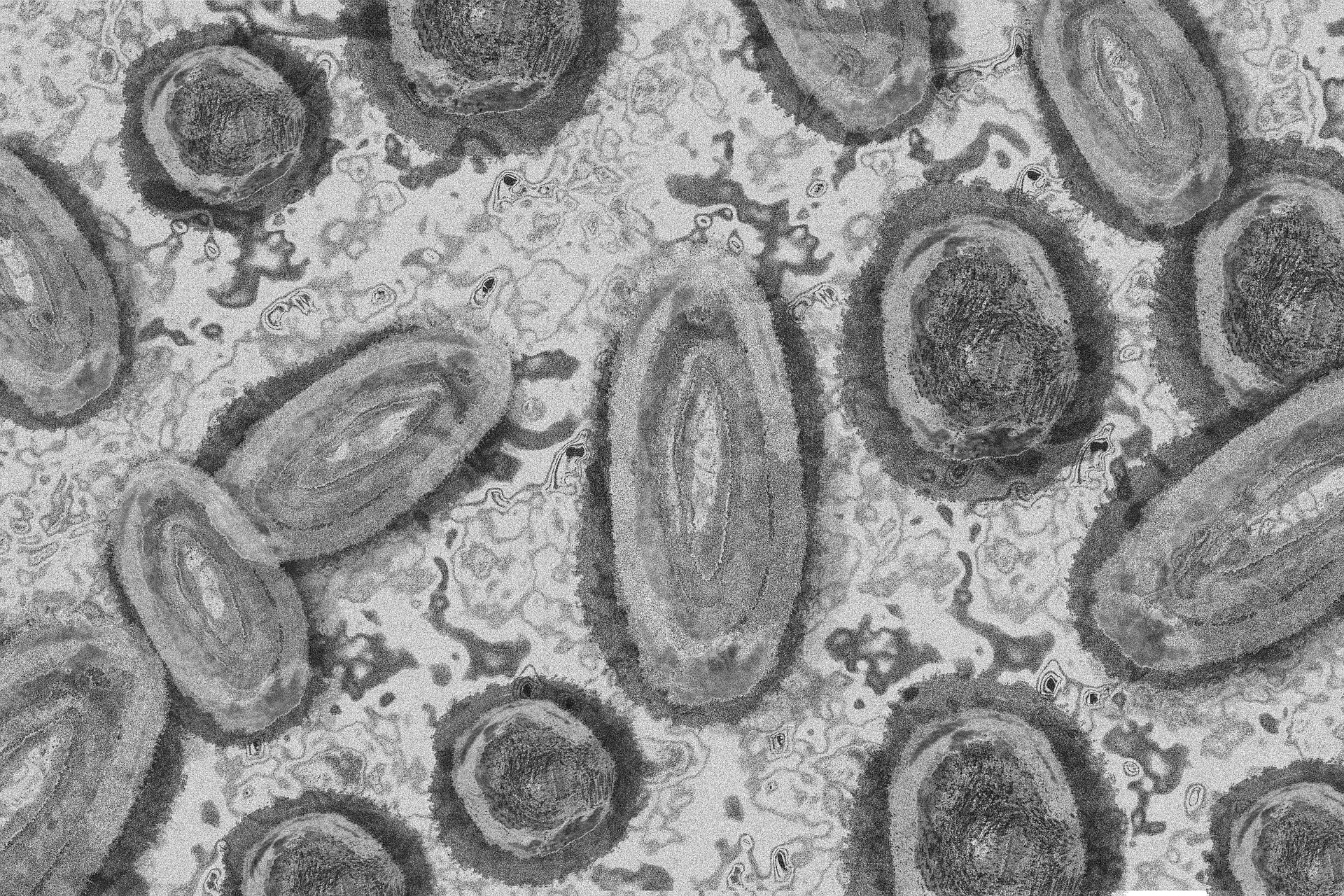
Mpox is a virus that has similar symptoms to smallpox albeit milder. It is in the same family of virus as smallpox, only it is not wiped out, like small pox, which was wiped out decades ago, Mpox is being circulated in the world today.
Previously, the virus was restricted to Central and West Africa where it would periodically be transmitted between animals and humans. However, over the past few years, particularly since 2022, Mpox has been spreading to most regions across the globe making it a health issue worldwide.
How Mpox Spreads in 2025
The mode of transmission of Mpox has not significantly changed, yet we have a better idea about it. It transmits primarily with the help of close physical contact, such as:
Contact with a person having the Mpox rash on his or her skin.
Contact with things that have been in contact with an infected individual such as clothes, towels, or bed sheets.
Face-to-face interaction, which has the potential of spreading the virus via respiratory droplets, over a prolonged period.
In other instances, by sexual contact.
In areas where Mpox continues to spread researchers are attentively observing potential new pathways through which the virus can be transmitted but close contact is the major pathway.
Symptoms What is the same and what is new?
Mpox continues to trigger a well-known combination of symptoms, although some recent trends have been discovered in 2025.
The most common symptoms are:
Fever
Headache
Muscle aches
Swollen lymph nodes
Fatigue
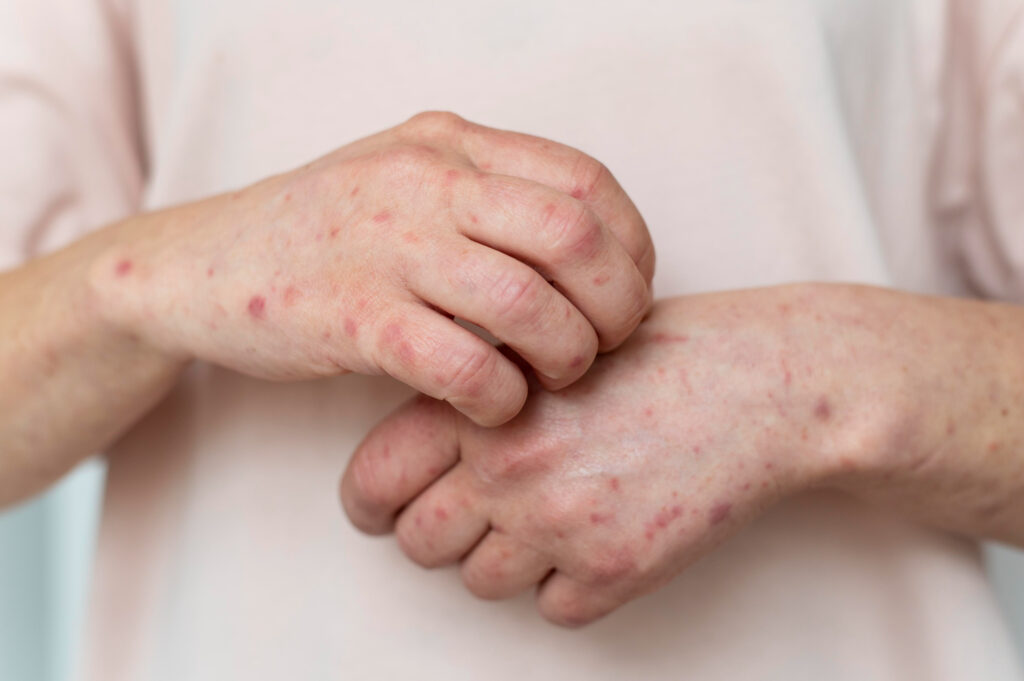
A rash which usually starts on the face or the genitals and extends to other areas of the body.
The rash passes some phases – flat spots, raised bumps, blisters, and scabs. This procedure normally takes between two to four weeks.

However, currently scientists have observed that not all the common symptoms occur in everyone. There are those who just get a rash without the fever. Others receive only a few bumps which are hard to notice. The rash is also capable of occurring in areas that are not easily noticeable such as within the mouth, genitals, or anus.
The second significant finding in 2025 is that Mpox is able to occasionally impact the brain and nervous system. Rarely, some patients have reported confusion, seizures or inflammation of the brain. This has seen physicians become more cautious particularly when they are dealing with individuals who have a weakened immune system.
Diagnosis and Testing
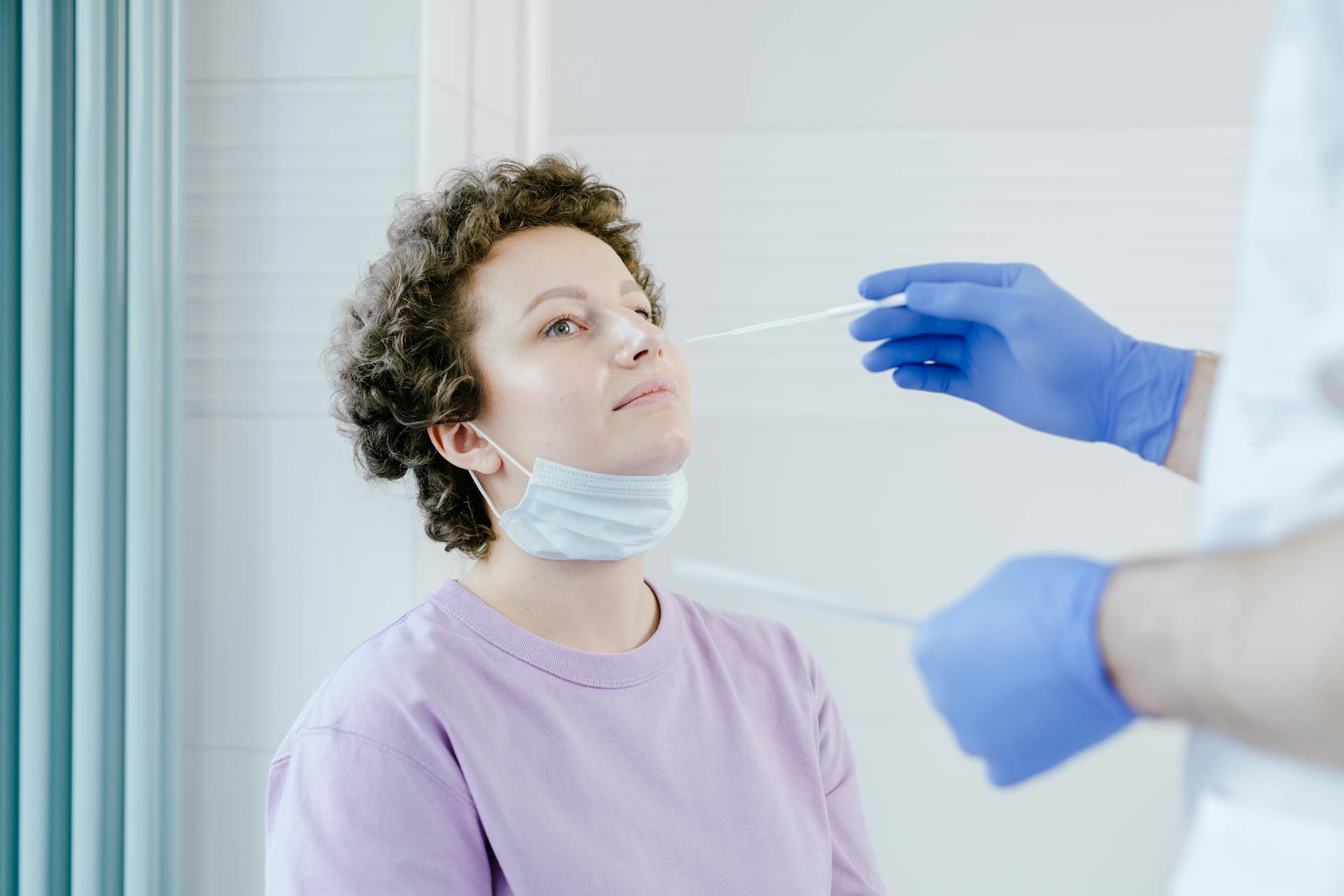
Mpox testing has become better in 2025. A majority of the individuals continue to be diagnosed using a PCR test performed on a rash sample. Nevertheless, researchers have been working on AI-based image recognition devices that can assist healthcare professionals in recognizing Mpox rashes faster even in regions, where a lab is not readily accessible.
The technology would be a game-changer in the detection of an outbreak in its early stages and provide patients with the necessary assistance quicker.
The Treatment: Where Things Stand Now.
No particular treatment of Mpox exists, although it is generally effective to use supportive care. This means:
Rest
Staying hydrated
To take medication to lower the temperature or treat pain.
Itch relief by using creams to add relief to any discomfort.

In the case of individuals at a greater risk or with severe outbreaks, physicians can administer an antiviral medication known as “Tecovirimat” which was first created to treat smallpox. This drug is not administered to everyone, but it has proven itself to benefit some patients to heal faster.
Besides that, there are also researchers considering plant-based or natural solutions to Mpox. They are still under testing phases but have the potential to provide low cost alternatives in future particularly to the less endowed countries.
Vaccines and Prevention
Vaccination is one of the best methods of preventing the spread of Mpox. By 2025, a number of vaccines are in use, most of them being based on older smallpox vaccines. They are particularly provided to those who:
Have been in close contact with confirmed case of Mpox.
Labor or work in the healthcare or laboratory environment.
Reside in localities of ongoing outbreak.
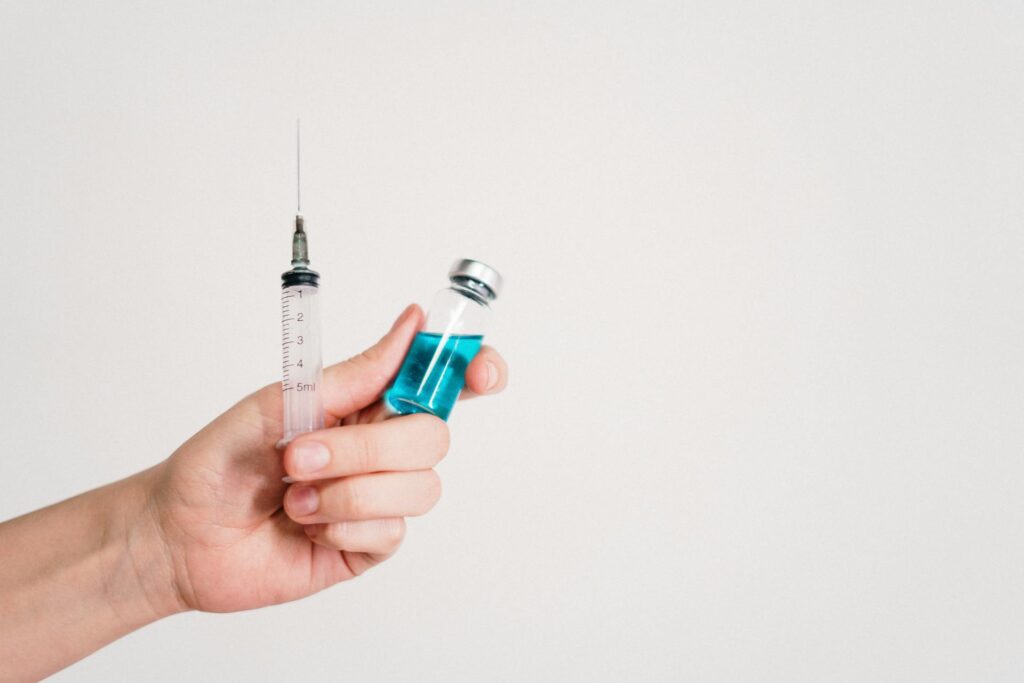
Other newer iterations of these vaccines are also under development with the aim of providing more durable protection and fewer side effects.
Meanwhile, health professionals are also reminding the public of the fact that a little bit of hygiene and safe sex can go a long way in preventing Mpox. These are frequent hand washing, keeping a distance with anybody with a rash or fever, and sharing of personal properties such as towels or bedding.
The Bigger Picture: Still Watched by Scientists.
Despite all these achievements, Mpox continues to be observed. Scholars are taking notice of several important fields:
Virus mutations: Mpox is also subject to change over time like any other virus. Scientists are monitoring any new forms that may be more prevalent and difficult to treat.
In severe cases, it may take weeks or even months before some people recover after Mpox, suggesting that this is a long-term effect. The long-term effect on the brain or the immune system is under investigation.
Vaccine access: Mpox vaccines are not equally accessible in all the countries. Global health organizations are striving to bridge this gap, such that everyone not only the rich countries has been provided with protection.
Final Thoughts
It is not as mysterious as it used to be earlier, but Mpox in 2025 is not a thing of the past. As a result of continuous studies, we currently know more about the way it is spread, its impact on the body, and means of its treatment or prevention. However, there are still new cases being reported and the virus has not disappeared.
The most important thing? Stay aware, not alarmed. In case of any suspicious symptoms (rash in particular), have it examined. Be cautious, contribute to protecting the population and disseminating the correct information.
Mpox can be controlled with more sophisticated tools and smarter responses, in unison.