

Honestly speaking, we all desire our children to have the best as parents. And we hope that they become active, happy, healthy, and perhaps, perhaps have something that they are passionate about. When it comes to sports then you find it easy to follow the beat of what is in, what other children are doing, or even what we used to play as kids. It’s soccer, basketball, baseball- they are the classics. However, it is 2025, and things are different.
The question that is slowly creeping in the mind of more parents is: Is my child playing the wrong sport…? And it’s a valid question.
Pressures to Specialize at an Early Age.
Sports among youths nowadays are not what it was 20, or even 10 years ago. By the age of 8 or 9, a kid is expected to make a choice of lane and go with it-year round. It has been that early specialization pressure that is developing a culture of the 12-year-old having their personal trainer and the teenager experiencing burnout prior to high school.

Perhaps your son or daughter began playing soccer when he was 5 and he was good at it. Now they are 13 and you are seeing the spark go out. They dread practices. They’re always sore. They’re not as happy. But they’ve come so far, right? It feels wrong to stop now.
This is the point: the fact that they have worked the time, does not mean that this is the right way anymore.
Most kids carry their cellphones nearly all the time.
It’s not always obvious. Children do not necessarily say, Hey Mom, I believe I am becoming emotionally detached to baseball. You have to seek the signs. Some of them might include:
- Lack of enthusiasm: in presence of games or practices.
- Continuous grievances of pain or tiredness, not only physical, but mental.
- More anxiety or mood changes, particularly concerning sports.
- No desire to work outside working hours, they simply appear because they are obliged to do so.
- Unless they speak about it, more interest in other activities.
In some cases they are not even unhappy, it is just that they could be prospering elsewhere.
The Myth of the “One Sport” Path
The notion that a child must major in a single sport to be successful is eventually beginning to crumble in 2025. Multi-sport athletes are now being actively favored by many of the college recruiters and coaches. Why? They are more flexible, less prone to injury, and team players.
Consider it: various sports develop various muscles- physically and mentally. A child who does both basketball and volleyball trains his agility, hand eye coordination and court awareness differently. A soccer player and a track runner may come up with more explosive speed. and there are times when you should change it, to make it fun,–and that should not be underestimated.
But what of the Competitive Edge?
Some parents are complaining now: “However, with my kid changing sports now, he/she will be at a loss, right? This will be determined by your long term objective.
In case you want a college scholarship as your dream, remember this: recruiters are not after perfection, but after potential. Natural ability, hard work and passion towards the game works miracles. And a young athlete who has just become interested in a sport, will, in many cases, grow more quickly than one who has been playing longer and is just not very interested.

Not to be forgotten–there are always late bloomers in every sport. Other children do not get to find their sport even until high school and go on to play in high levels. In particular in sports such as rowing, field and field, wrestling or even more recently popular sports such as esports or ultimate frisbee, the old schedule no longer works.
New Sports, New Opportunities.
In 2025, youth sports in the world are wider than ever. Of course, the giants of sport, football and soccer, continue to prevail, but there is also a huge increase in the number of other sports and hybrid sports:
Pickleball is now a credible youth sport having national tournaments.
Climbing has been developing rapidly after the Olympics and suits children who like individual challenge rather than playing on the team.
Elite sport Esports Teams are being established in high schools, including career and real scholarship opportunities.
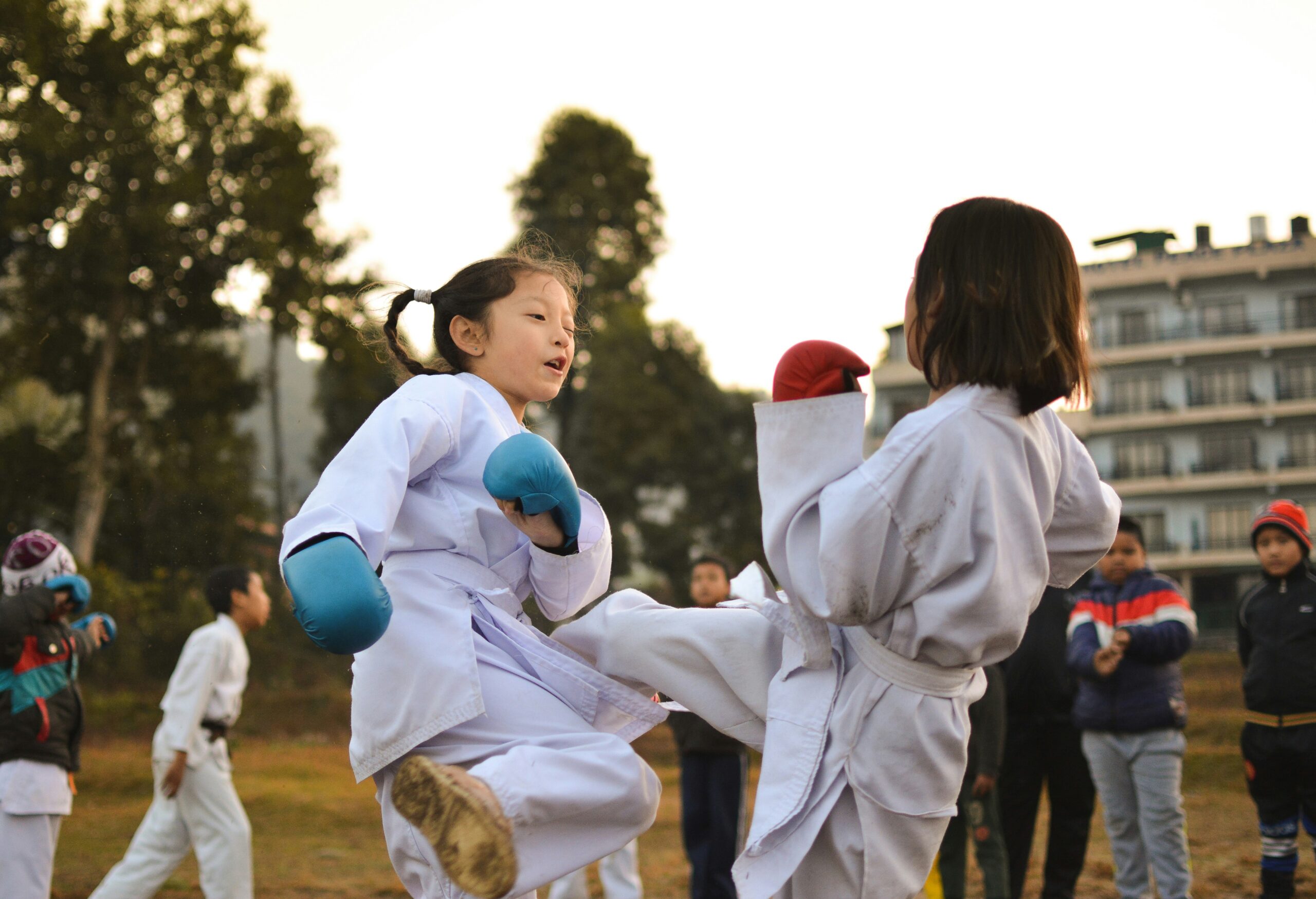
Martial arts that used to be considered merely extracurricular are being built in circuit and gradual advancement.
The thing is: when your child is not vibrating on the sport he/she is in it is not the end of the road. Maybe, it is only the start of the correct one.
How to Have the Conversation
In case you think that your child is not in the correct sport, then do not pull him/her out of the sport in a hurry. This is a process.
Ask open-ended questions at the beginning. Not “Do you still like soccer?” but What do you like most of all in playing? or “Considering you could do any new thing, what would it be?
Listen without judgment. Be receptive to whatever they tell you, even when you are surprised. Your child may confess that he or she is just in it because he or she does not want to disappoint you- or he/she always wanted to do something new and was too afraid to ask.
In case changing seems like an overly large jump, a trial season in another sport could be a good option. Or even just a summer camp. Allow them the freedom to experiment. You would be surprised at the quantity of light they light up.
Reframing Success
We must eventually change our definition of youth sports success. It is not about developing the next pro athlete, it is about developing strong, confident and healthy children. Sports must contribute to that, not to deter it.
Therefore, does your child play the wrong sport?
Maybe. Maybe not.
However, when they are not smiling as much as they were, when they appear to be out of touch, when something comes into your gut that something is wrong–it is worth investigating.
Since the right sport is not necessarily the one they are good at. It’s the one they grow in.
And in this new young sporting age there is no end of space to expand.